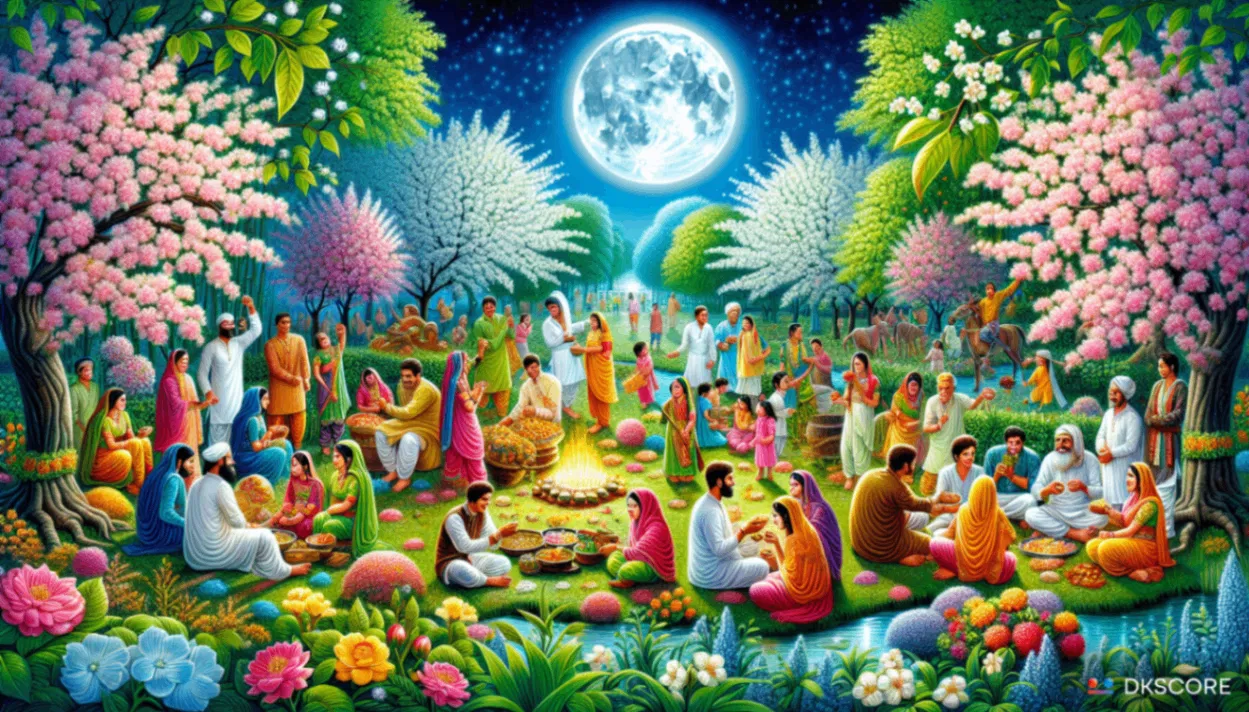
Magh Bihu marks the end of the harvesting season and the Sun's transition into Capricorn (Makar Sankranti). It is a thanksgiving festival, signifying prosperity and abundance after a successful harvest.
Magh Bihu, also known as Bhogali Bihu, is a pivotal harvest festival celebrated across Assam and many parts of the Northeast. It marks the culmination of the winter season and the bounty of crops after the harvest. The year 2026 brings fresh rituals, evolving celebrations, and a renewed sense of community for families, farmers, students, and travelers who join in the host of Bihu festivities. This article offers a comprehensive guide to Magh Bihu 2026, covering its significance, timing, mythologies, astrological perspectives, rituals, health benefits, modern adaptations, and practical tips for visitors and residents alike.
Magh Bihu is more than a calendar event; it embodies the cycle of sowing, growing, and reaping that sustains agrarian communities. The festival symbolizes gratitude for a successful harvest and the readiness to welcome a new agricultural cycle. It is also a social festival that strengthens ties within villages, towns, and families through shared food, music, dance, and cooperative labor. The core ideas include:
In addition to its agrarian roots, Magh Bihu embodies regional dialects, music (Bihu songs), dance, and arts that mirror Assamese identity. The festival often blends traditional rituals with modern adaptations, making it accessible to urban dwellers and visitors while preserving its rural spirit. Understanding Magh Bihu’s significance helps residents and travelers appreciate the deeper values of hospitality, gratitude, and community service that underlie the celebrations.
Dates for Magh Bihu are tied to the lunar calendar and local Assamese customs. The main day typically falls in the Magh month of the Assamese calendar, around mid-January. Because lunar calendars vary by year and region, the exact date can differ from district to district. In 2026, most Assamese communities expect Magh Bihu to be celebrated around January 14–16, with Uruka (the night before the main day) preceding the main celebrations. Given regional differences, it is wise to confirm local announcements or check with district cultural offices for the precise schedule in your area.
Key timing milestones common to Magh Bihu include:
Tips for visitors planning Magh Bihu in 2026:
Mythological narratives associated with Magh Bihu reflect the agrarian rhythms of rural Assam, the celestial cycles, and the cultural memory of the region. While region-specific folk tales vary, several themes recur across communities:
In many Assamese folk traditions, Magh Bihu is linked to the victory of light over darkness. The Meji fire is seen as a physical and symbolic beacon that dispels the cold and ushers in a season of prosperity. Elders tell children that the bonfire welcomes the warmth of the sun after the harsh winter, echoing a universal belief in the sun’s return after the longest night. This myth reinforces gratitude, communal resilience, and the willingness to work together for mutual benefit.
Traditional stories describe the earth as a generous mother who yields crops when honored with proper rituals and offerings. The Magh Bihu rituals—sharing food, building shelter for the harvest, and distributing the first fruits of the season—are viewed as respectful reciprocity with the land. The practice of borrowing and lending during the festival—shared meals, exchanged sweets, and cooperative defense against the winter chill—embody this sense of reciprocity written into the harvest myth.
Another common thread in Magh Bihu folklore is the idea that festivals knit communities tighter. The stories emphasize how neighbors help each other build huts (Bhela) and assemble for feasts that everyone can enjoy. The myth highlights social harmony as a catalyst for collective protection and prosperity. In modern times, this theme translates into volunteerism, food drives, and community service projects that echo the ancient belief that shared joy multiplies abundance.
Vedic astrology looks at Magh Bihu through the lens of planetary movements, lunar phases, and auspicious timings. While the festival’s core is seasonal and agricultural, astrologers often consider its alignment with cosmic cycles to identify favorable moments for ceremonies, family gatherings, and charitable acts. Here are some approachable guidelines to understand the astrological context of Magh Bihu 2026:
It is important to remember that astrology is a personal practice. While many communities find value in aligning certain ceremonies with astronomical cues, Magh Bihu’s essence—gratitude for harvest, communal harmony, and warmth—transcends astrology. Individuals may choose to incorporate or omit astrological considerations based on family customs and personal belief systems.
Beyond general astrology, Magh Bihu 2026 can be explored for practical insights that resonate with daily life. Here are some astrologically informed observations that align with the season and communal practices:
Practical takeaway: use the astrology-informed cues as companions to, not substitutes for, the festival’s core values—hospitality, generosity, and communal warmth. The emphasis on togetherness, sharing food, and caring for neighbors remains universal and accessible to all, regardless of belief in astrology.
Rituals are the lifeblood of Magh Bihu. They fuse folk traditions with agricultural rhythm and spiritual intention. Here is a detailed look at common rituals, their meanings, and how they are practiced in 2026:
Uruka is the night before the main Magh Bihu day and is characterized by feasts, feasting with family and friends, and the building of temporary shelters or huts (often called Bhela huts). People light lamps, sing regional songs, and share stories. The atmosphere is festive and inclusive, inviting neighbors to join in the preparations. Food plays a central role, with traditional snacks such as pithas (rice cakes) and traditional sweets shared generously.
The Meji bonfire is the festival’s focal point. Communities construct large bonfires using bamboo scaffolding and bundles of straw, grass, and crop residues. Before the fire, people ceremonially offer grains, sesame seeds, and sometimes small symbolic items to bless the harvest. Circling the fire, singing Bihu songs, and dancing are common practices. The warmth of the flames is believed to protect households from the winter cold and safeguard crops through the coming harvest. Fire safety and communal cooperation are essential; many villages coordinate efforts to ensure the fire is safe and controlled.
In many villages, people build temporary huts or shelters near fields—the Bhela. These huts symbolize shelter for the harvest and a place for community meals, storytelling, and games. The construction of Bhela fosters teamwork across generations, especially involving the youth and elders who pass down songs, dances, and recipes. Some communities decorate the huts with colorful rangoli-like patterns, gourds, and local fabrics as a display of festive pride.
Food is a core thread of Magh Bihu. Traditional pithas (rice cakes) and bhog (feasts) are prepared for the festival. Rice-based dishes, sesame sweets, coconut-flavored preparations, and milk-based desserts are common. Families often prepare larger quantities so that offerings can be shared with neighbors, friends, and visiting guests. The culinary aspect is not only a treat; it reinforces hospitality and social bonds across communities.
Bihu songs and dances accompany the celebrations, providing rhythm to the festival. Local artists perform Bihu dances, which are energetic, colorful, and rooted in Assamese rural life. Schools, cultural centers, and villages frequently host performances, competitions, and informal jam sessions during Magh Bihu.
Because Magh Bihu involves open flames and large crowds, safety is important. People keep a watchful eye on bonfires, ensure children stay at a safe distance, and avoid leaving fires unattended. Visitors should respect private property, seek permission before entering homes or participating in rituals, and follow local guidance on crowds, noise levels, and disposal of waste after celebrations.
Rituals associated with Magh Bihu offer a blend of physical activity, social connection, and spiritual reflection. Here are some benefits commonly observed in 2026 communities:
From a holistic perspective, Magh Bihu supports physical activity, social support, and psychological well-being, all themed around gratitude and communal care. Practitioners who participate mindfully describe a sense of renewal that carries into everyday life beyond the festival days.
Mantras and prayers are often part of Magh Bihu rituals, especially during the Meji and near the Bhela. Chanting can be a unifying spiritual practice that anchors focus and gratitude. Here are some approachable mantras commonly recited or played during Magh Bihu celebrations. You can use them individually or in group gatherings:
Practical guidance for chanting:
As with many long-standing cultural events, Magh Bihu has evolved with modern life. Here are ways the festival is celebrated in contemporary contexts, while preserving core traditions:
In urban centers, Magh Bihu retains its essence through organized cultural programs, student performances, and community kitchens. In rural areas, the festival remains deeply tied to field work, home kitchens, and family-centric rituals. The mix creates a diverse canopy of celebrations where traditional music and modern sound systems coexist, and where village squares, schools, and cultural centers become venues for exchange and learning.
Domestic and international visitors increasingly participate in Magh Bihu events. Cultural tours, homestays, and festival safaris offer immersive experiences—watching Meji bonfires (from a respectful distance), tasting regional pithas, and learning Bihu dance steps. Sustainable tourism emphasizes responsible participation, honor for local customs, and minimal environmental impact.
As with large gatherings and bonfires, safety and environmental considerations are paramount. Communities encourage fire safety protocols, proper disposal of waste, and the use of eco-friendly materials for shelters and decorations. Some places promote “green” Meji practices, such as reducing smoke through controlled fires and using safer fuels. Visitors and organizers are urged to follow local guidelines and to respect sensitive habitats and air-quality considerations.
Modern Magh Bihu includes digital greetings, online tutorials for cooking pithas, and social media campaigns that celebrate Bihu songs and dances. While technology helps spread the festive spirit, many communities still emphasize face-to-face gatherings and personal hospitality as the festival’s heart.
If you plan to experience Magh Bihu in 2026, here are practical considerations to help you maximize your visit or participation:
Magh Bihu 2026 is a celebration of harvest, warmth, and a shared future. It brings together the earthy rhythms of farming life with the joyful energy of music, dance, and communal feasts. The festival’s rituals—Uruka gatherings, Meji bonfires, Bhela huts, and generous sharing of food—embody the best of Assamese culture: hospitality, resilience, gratitude, and unity in diversity. Whether you are a farmer who tends the land, a student of culture, a traveler seeking authentic experiences, or a resident preparing for a family reunion, Magh Bihu offers a meaningful occasion to reflect, connect, and celebrate life’s abundance.
As Magh Bihu 2026 unfolds, remember the guiding principles at its heart:
May Magh Bihu 2026 bring renewed energy, clear skies, and a spirit of cooperative abundance to every home and village that celebrates it.
Joy Story Foundation is a section-8, non-profit organization founded in November 2019, registered with Ministry of Corporate Affairs, Government of India. It aspires to build stories around “Joy for Everyone” by practicing the values of collective philanthropy and by maintaining utmost transparency in order to achieve it. Our vision is to ensure that we do our bit to free the world of gloom, sorrow, deprivation, pessimism, and pain by inducing small positive moments to bring joy in the world. And we would go to any extent to achieve that, irrespective of geographical boundaries, religion, age, color or need. Our giving would be completely unbiased, non- religious and non-political.
Check out our Frequently Asked Questions to find the answers. But hey, if your doubts still persist, we are only a demo call away!
Do's: - Do participate in family and community celebrations safely, join Meji and Bhela rituals with respect, and supervise children. - Do keep the surroundings clean: dispose of waste properly, avoid littering and using plastics, and participate in community clean-ups. - Do ensure fire safety around bonfires: maintain a safe distance, keep water or sand nearby, never leave fires unattended, and follow local guidelines. - Do share food and participate in local feasts if invited, respecting dietary norms. - Do look after pets and neighbors, and be considerate of others' comfort and safety. Don'ts: - Don't throw non-burnable items or plastics into bonfires; don't burn debris that releases toxic fumes. - Don't engage in dangerous stunts or unsafe handling around fire, and don't leave fires unattended. - Don't create excessive noise or disturb others; don't trespass private property or sacred spaces; don't wear disruptive attire near rituals. - Don't indulge in illegal fireworks or unsafe consumption; don't litter; don't dispose ashes improperly. - Don't ignore weather or safety advisories; don't disrupt temple or ritual spaces; don't ignore local guidelines.
Magh Bihu, also known as Bhogali Bihu, is a harvest festival celebrated mainly in Assam. In 2026, as in other years, people observe it with rituals believed to bring welfare, health and prosperity. Here are common remedies (rituals) and benefits associated with Magh Bihu: Remedies/rituals: - Cleanliness and purification: clean and decorate the house, especially the kitchen and prayer space; light lamps and burn incense; perform early-morning prayers. - Bonfire (Meji) ritual: build and light a Meji bonfire in a safe space to symbolize warmth and protection; offer prayers to Agni and the harvest deities; roast corn or other foods near the fire and share with family and neighbors. - Offering and sharing food: prepare bhog and pithas (rice flour cakes) with til (sesame), jaggery and coconut; share with elders, neighbors and cattle; feeding animals and giving thanks to the land. - Cattle care and worship: perform a small puja for cattle, offer water and fodder, and decorate animals; seek blessings for a good harvest. - Dawn prayers and sun worship: early-morning offerings to Surya, recitation of mantras, and blessings for health and prosperity. - Gratitude and harmony: resolve quarrels, forgive old grievances, and express gratitude to family, friends, and farmers. - Safety: follow bonfire safety, keep children supervised, and avoid burning non-biodegradable materials. Benefits: - Spiritual renewal, mental peace and positive household energy. - Perceived prosperity, better harvest and abundance in the coming year. - Stronger family bonds, community ties and social harmony. - Respect for farmers and the land; a sense of gratitude for seasonal cycles. Note: The exact date of Magh Bihu in 2026 varies by region; it typically falls in mid-January, so check local calendars for the precise date. Always follow safety guidelines for bonfires.
Magh Bihu, also known as Bhogali Bihu, is Assam’s harvest festival celebrated in January to mark the end of the harvest season. It celebrates farmers’ hard work and gives thanks for a good crop, with traditions such as community feasts, sharing foods like pithas and larus, and the creation and lighting of the Meji bonfires. The festival emphasizes gratitude, prosperity, and social harmony as the agricultural year closes and winters begin to ease. In 2026, Magh Bihu will be observed in January following the usual lunar-solar calendar.