

 Home
Home



Understanding the Significance of festival Anvadhan Shukla Purnima OCT 2026
Anvadhan Shukla Purnima is a traditional observance rooted in the Hindu lunisolar calendar. The term “Anvadhan” refers to a specific month in the regional lunisolar system, and “Shukla Purnima” designates the full moon day during the bright half of the lunar month. In many communities, this day is celebrated as a time of purification, gratitude, and spiritual renewal. It marks a moment when devotees slow down, reflect on their duties, and offer thanks for the abundance of the season.
The festival’s significance goes beyond ritual practice. It is tied to themes of balance and harmony—between night and day, water and sky, action and contemplation. Many families see this day as a chance to reconnect with elders, teach younger generations about tradition, and strengthen social ties through shared meals, rituals, and service to others.
On a broader scale, Anvadhan Shukla Purnima invites listeners to consider the cycles of nature and time. The full moon on Shukla Paksha is traditionally seen as a time when positive energies are heightened, making it an auspicious window for prayers, charity, and personal resolutions. For visitors and readers, this section offers a clear lens into how a lunar festival sits at the crossroads of devotion, culture, and daily life.
Anvadhan Shukla Purnima OCT 2026 2024 Date and Timing
Dates in Hindu observances are determined by the lunar calendar, which means the exact day of Anvadhan Shukla Purnima can vary by region and by tradition. The tithi (lunar day) and the onset of Shukla Purnima are calculated from sunrise to the next sunrise in many local Panchangs. Because the lunar cycle does not align perfectly with the solar year, the date shifts slightly each year.
For October 2026, you will typically find that Anvadhan Shukla Purnima is observed on the evening that follows the full Moon, with the main puja and rituals often beginning after moonrise and continuing into the night. In practice, many families perform a pre-dawn purification and later a twilight ceremony, so the day blends into the next morning’s quiet observances.
It is important to note that 2024 and 2026 may show different regional timings. Some communities celebrate on the exact Purnima date according to their local panchang, while others observe the festival on the night when the Moon appears brightest to them. If you plan celebrations, check your local Panchang or temple calendar to confirm the precise date and the preferred muhurat (auspicious time) for puja, recitation, and charity.
Practical timing guidelines you can use now:
- Verify the tithi with your local temple or Panchang for 2026 OCT. This confirms the Purnima day in your region.
- Note the Moonrise time in your area. Puja and lamps are commonly performed after the Moon rises in the evening.
- Plan a gentle schedule that allows time for purification, ritual offerings, and sharing a meal with family or community.
- If you fast, decide whether you will do a phalahari (fruit-only) fast or a more restricted intake, and arrange meals for family members who may not fast.
For anyone coordinating a festival page or event guide, offering a date range and a reminder to verify local sources helps ensure accuracy and inclusivity. The goal is to provide practical, actionable timing guidance that respects regional calendars and family traditions.
Mythological Stories Behind Anvadhan Shukla Purnima OCT 2026
Hindu mythological narratives around Purnima days vary by region and tradition. Across many communities, full-moon days are seen as powerful moments when divine energies are believed to be especially accessible. Here are some commonly shared narratives and themes you may encounter during Anvadhan Shukla Purnima:
- Chandra (the Moon God) and the cycle of light: One widely told theme is the Moon’s influence on health, seasons, and moods. On Purnima nights, families honor the Moon’s gentle light and pray for balance in life, health, and temperance in the mind.
- Lakshmi and prosperity on full moons: Many traditions associate Lakshmi, the goddess of wealth and abundance, with gleaming full moons. Purnima nights are seen as favorable for prayers for prosperity, gratitude for what one has, and acts of generosity toward others.
- Vishnu/Krishna-inspired narratives: In several communities, Purnima is linked to stories about Vishnu’s avatars or Krishna’s lilas that unfold on full-moon nights. Devotees may recount tales of devotion, protection, and righteous living as a reminder to pursue dharma (moral duty).
- Regional legends and harvest cycles: Some regions connect Purnima to seasonal harvesting, temple fairs, and agricultural deities. In these places, the narrative emphasizes community resilience, gratitude to the land, and sharing with neighbors after a successful harvest.
Because mythologies differ across geographies, you will find a mosaic of stories tied to Anvadhan Shukla Purnima. For readers exploring a festival page, this section can feature a short array of regional anecdotes, each tied to local temples, folk songs, or temple legends. Presenting multiple narratives respects diversity and helps readers connect with their heritage.
Vedic Astrology and Anvadhan Shukla Purnima OCT 2026
Vedic astrology offers a framework to understand auspicious timings and personal resonance with any festival. On a practical level, Anvadhan Shukla Purnima is associated with:
- The tithi: Shukla Paksha Purnima—the full Moon day during the bright lunar half.
- Nakshatra and yogas: The Moon’s position in a particular nakshatra and the day’s yoga can influence the quality of the observance. Some nakshatras are considered especially favorable for charity, prayer, or reading sacred texts.
- Karanas and auspicious timings: The transition moments between different karanas (half-day segments) can shape the chosen muhurats for puja, yajna, or ancestral rites.
A practical takeaway for readers: use the day to align intention with action. If you read scriptures, recite prayers, or perform rituals, schedule these activities during daylight or early evening when attention is fresh. For those who want to explore astrology as part of the festival, consult a trusted astrologer, especially if you incorporate dasa periods, aspects, or house lord movements into personal celebrations.
Anvadhan Shukla Purnima OCT 2026 2024: Astrological Insights
Astrology often offers a comparative lens across years. When planners or readers seek insights for 2024 and 2026, they look at patterns in lunar phases, month-long transits, and planetary cycles. Here are some framing points that help readers understand astrological context without claiming fixed predictive statements:
- Moon phase and brightness: A full Moon day tends to heighten emotional awareness, family ties, and reflective thinking. This can amplify the spiritual significance of the rituals and the desire to give back to others.
- Family and devotion: Telescoping the lunar energy with cultural practice often leads to stronger family rituals, storytelling, and shared meals. People may feel a greater pull toward traditional music, chants, and prayers on this night.
- Self-care and detox: The festival window can be an invitation to slow down, practice gratitude, and engage in gentle self-care—physical rest, light exercise, and mindful eating—especially if fasting is part of the observance.
- Charity and community service: Astrological energy is commonly interpreted as enhancing generosity. Many devotees choose to give alms, support local charities, or help neighbors in honor of the day.
- Regional variations: By 2026, different regions may emphasize distinct deities or scriptures on this full-moon day. The astrological lens should respect local traditions and temple calendars.
To maintain a balanced view, readers should treat these insights as a guide rather than a fixed forecast. Astrology complements personal choice and cultural context. The most meaningful observances arise from sincere intention, communal harmony, and respectful participation in family traditions.
Rituals and Practices of Anvadhan Shukla Purnima OCT 2026
Rituals for Anvadhan Shukla Purnima vary by region, temple, and family tradition. The core ideas, however, are widely shared: purification, devotion, and acts of generosity. Here is a practical, step-by-step guide that readers can adapt to their customs:
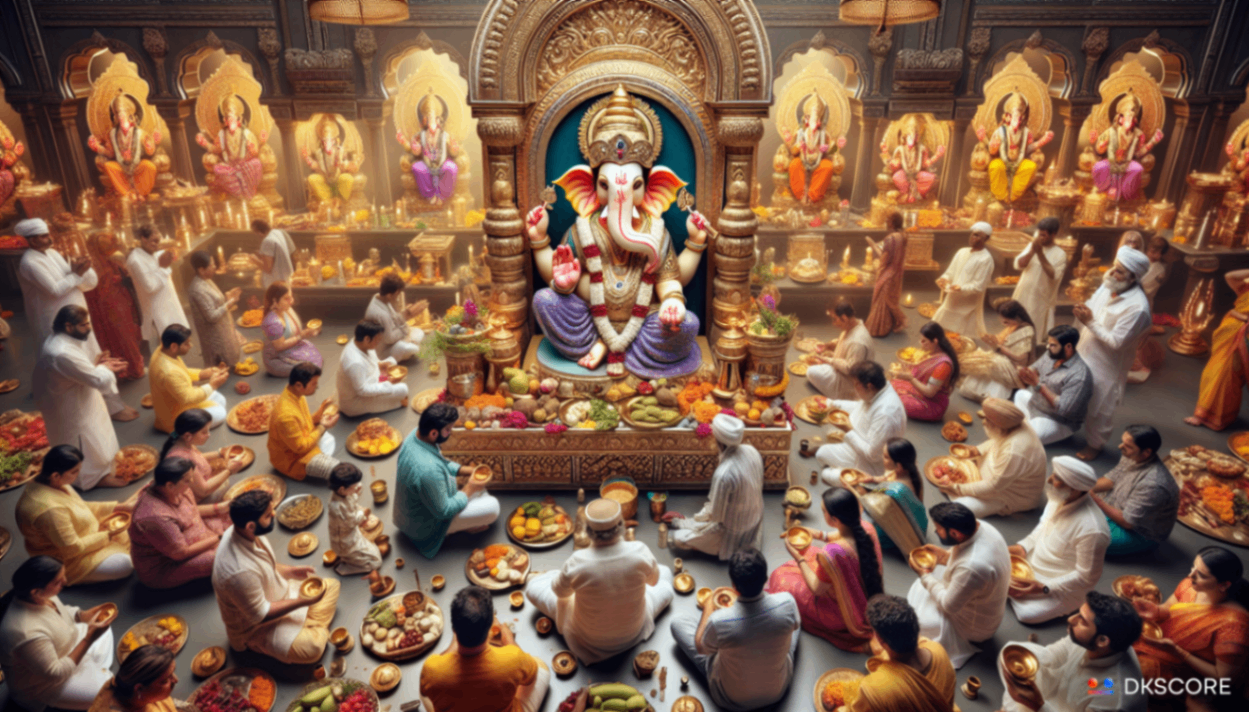
- Purification and preparation: Start with a bath or a symbolic cleansing ritual. Clean the home altar, arrange fresh flowers, and set up lamps (diyas) and incense. Place water, rice, fruits, and a small treat for guests on a clean tray.
- Sankalpa: Resolve your intention for the day. Common intentions include gratitude, service to others, and the purification of mind and heart.
- Altar setup: Create a simple shrine with a picture or idol of Vishnu, Krishna, or Lakshmi, depending on family tradition. Add a picture of the Moon or a symbolic crescent to acknowledge the day’s lunar energy.
- Puja and offerings: Light lamps, perform a Durga Puja or Vishnu Puja, recite chosen mantras or scriptures, and offer flowers, fruits, and sweet offerings. If fasting, drink water only or choose fruit-based meals (phalahari).
- Chanting and recitation: Read passages from sacred texts such as the Vishnu Purana, Bhagavad Gita, or Bhakti literature. Group readings foster shared learning and community spirit.
- Charity and seva: A central pillar of this day is giving. Donate to a charitable cause, help a neighbor, or volunteer in the community. Charity is considered a direct expression of compassion on this full-moon night.
- Thanksgiving meal: End the day with a communal meal. Share leftovers, invite someone who may be alone, and express appreciation for each other’s presence.
- Prayers for the environment: Some families add prayers for rain, harvest abundance, rivers, and ecological balance, recognizing the Moon’s link to tides and water cycles.
Optional practices to enrich the experience:
- Read a short devotional passage aloud to children and elders to pass on tradition.
- Play traditional music or bhajans that honor the Moon, Lakshmi, or Vishnu.
- Offer a small vow for personal improvement, such as patience, charity, or disciplined daily habits, and review progress in the days that follow.
Health and Spiritual Benefits of Anvadhan Shukla Purnima OCT 2026 Rituals
The rituals surrounding Anvadhan Shukla Purnima provide both health and spiritual benefits when practiced mindfully. While religious practice is not a substitute for medical care, a thoughtful observance can contribute to overall well-being.
- Calmer mind and reduced stress: Slow, deliberate prayer and chanting can lower stress hormones and promote a sense of emotional steadiness.
- Disciplined routine: Preparing for puja, cleaning, and participating in family rituals encourages regular daily schedules, which support sleep and digestion.
- Mindful eating: If a phalahari or limited fast is chosen, the day becomes an opportunity to listen to bodily needs, improve dietary choices, and practice moderation.
- Gratitude and social connection: Sharing meals, stories, and acts of kindness boosts mood and strengthens social bonds, which are linked to better mental health.
- Reflection and intention setting: The practice of sankalpa invites personal reflection, helping people align their actions with core values and life goals.
On a broader level, health benefits come from a balanced day that respects the body’s needs. Spiritual practices that emphasize compassion, forgiveness, and generosity can improve emotional resilience, which is a cornerstone of well-being.
Mantra Chanting During Anvadhan Shukla Purnima OCT 2026
Mantra chanting is a central and accessible practice for this festival. You can tailor your mantras to the deity you honor and the intention you hold. Here are commonly used options:
- Om Namo Bhagavate Vasudevaya — a compassionate prayer to Vishnu/Krishna for protection, abundance, and righteousness.
- Om Narayanaya Namaha — a simpler invocation to Narayana, emphasizing universal harmony and peace.
- Om Vishnave Namaha — a straightforward homage to Vishnu, suitable for beginners and seasoned practitioners alike.
- Chandra Gayatri Mantra (optional addition for the full-moon energy): Om Aim Hreem Kleem Chamundaye Vichche
Tips for effective chanting:
- Recite softly with clear, even breath. Aim for 15–25 minutes of focused repetition.
- Use mala beads (108 beads) to keep count if you prefer a tangible rhythm.
- Include a few minutes of quiet reflection after chanting to integrate the energy of the practice.
- Pair chanting with a short reading from scriptures or devotional songs to deepen focus.
If you are new to mantra practice, start with a single mantra and gradually add more over time. The consistency of daily practice matters more than the length of a single session.
Anvadhan Shukla Purnima OCT 2026 in Modern Times
Modern celebrations blend timeless rituals with contemporary practices. The core values—devotion, service, and gratitude—remain, but the modes of expression have expanded. Here are ways Anvadhan Shukla Purnima is observed in today’s world:
- Temple programs and online satsangs: Temples hold evening pujas, bhajans, and discourses, often streamed for remote viewers. Virtual darshan and live-streamed prayers broaden access for families who cannot travel.
- Community service and charity drives: Many communities organize food drives, health camps, or school supplies donations as a practical expression of the day’s generosity.
- Family-friendly events: Cultural programs, storytelling for children, and traditional arts and crafts stations are common in towns and cities, providing a bridge between generations.
- Eco-conscious rituals: Eco-friendly lamps, natural colors, and sustainable materials reduce waste while preserving reverence for the ritual space.
- Digital devotion: Readers and devotees share reflections, prayers, and photos on social media, cultivating a sense of global community around a local festival.
- Healthy living messages: Some observances incorporate mindful eating, community meals with balanced options, and gentle physical activity that respects fasting choices.
For festival organizers and communities, these modern adaptations can help reach younger audiences and those who live far from traditional centers. The key is to preserve the day’s spirit—gratitude, generosity, and a calm, reflective mode—while embracing inclusive, sustainable practices.
Conclusion
Anvadhan Shukla Purnima OCT 2026 stands as a luminous moment in the Hindu calendar—a time to reflect, renew, and reconnect with family, community, and the spiritual dimensions of life. Its significance lies not only in ritual form but in the intention behind the day: to honor the cycles of nature, to practice compassion, and to nurture both inner peace and outward generosity.
Across regions, the festival takes shape in diverse stories, songs, and customs. Yet the shared thread remains clear: a full Moon night that invites devotion, gratitude, and service. Whether you observe with a quiet personal vigil, a family puja, or a broader community program, you are participating in a tradition that has evolved while staying rooted in timeless values.
As you prepare for Anvadhan Shukla Purnima in October 2026, may the bright Moon illuminate your intentions, guide your actions toward kindness, and remind you of the connections that hold your life together. In the language of the festival, a simple wish—peace, abundance, and harmony—speaks to the deepest human aspirations.
 Donation Links




 Download App