
Guru Ravidas Jayanti 2026: Festivals, Date & Events Guide

 Home
Home DKSCORE AI
 Guru Ravidas Jayanti 2026
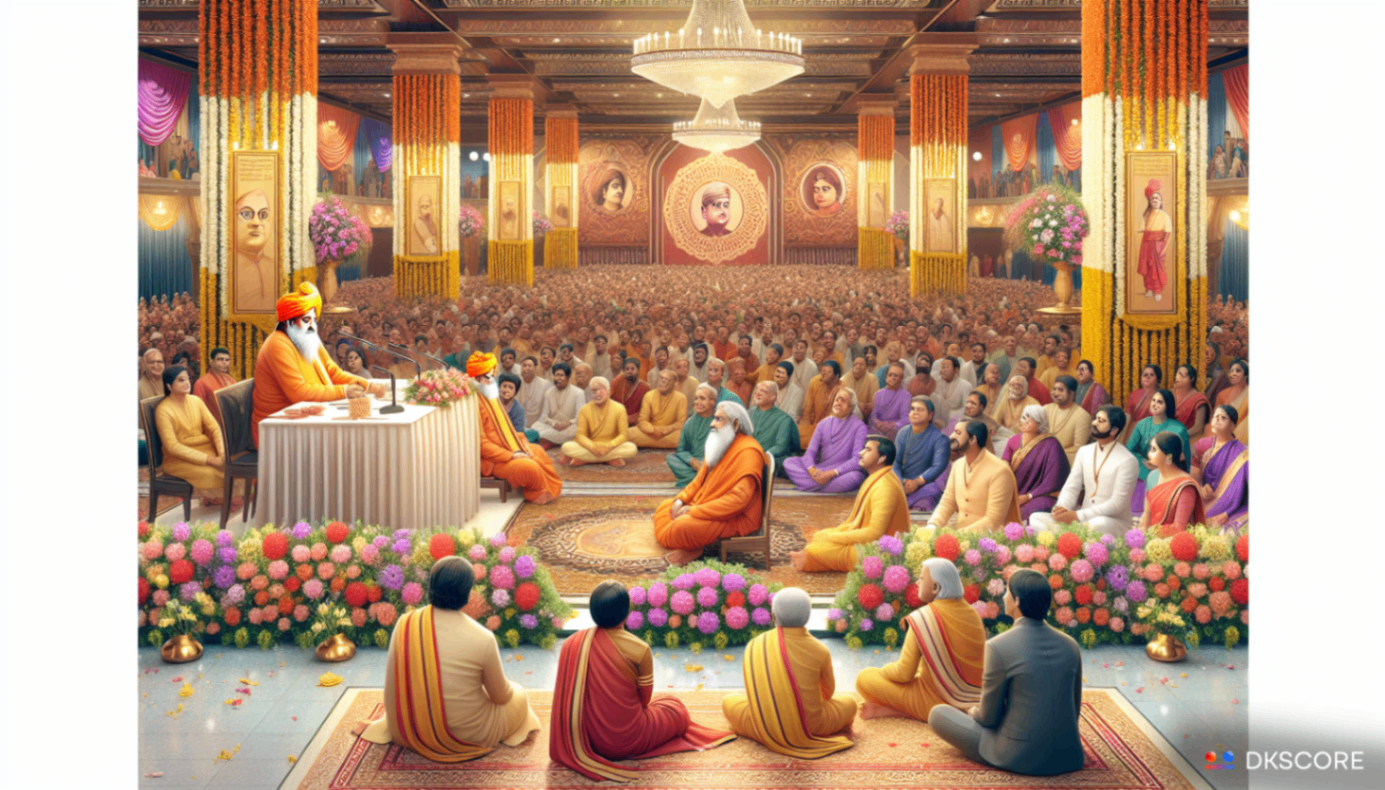
Guru Ravidas Jayanti is celebrated with great enthusiasm among his followers, particularly in the Ravidassia community. Devotees gather at temples and gurudwaras to listen to his hymns, participate in kirtans (spiritual singing), and take part in Nagar Kirtan processions. The day symbolizes a call for unity, equality, and spiritual devotion. Devotees remember and chant his verses, aiming to embody his teachings in their lives.
festival
Guru Ravidas Jayanti 2026
religion
Hinduism
Date
01-02-2026
day
Sunday
Muhurat time
--
Duration
--
 Festival Date
01 Feb, 2026
Guru Ravidas Jayanti
 Today Date
09 Jan, 2026
Guru Ravidas Jayanti
Time Remaining
Why we Celebrate Guru Ravidas Jayanti ?
Guru Ravidas Jayanti marks the birth anniversary of Guru Ravidas, a revered saint and poet of the Bhakti movement who preached equality, love, and devotion to God. This day is celebrated to honor his teachings and contributions towards social reform and spiritual upliftment. His philosophy emphasizes living a virtuous life and finding God within oneself, transcending caste and social divisions.
Important Days
Meditation and Mantras
Guru Ravidas Jayanti 2026: Dates, Festivals & Key Events
Understanding the Significance of festival Guru Ravidas Jayanti 2026
Guru Ravidas Jayanti is a festival that honors the life, teachings, and spiritual legacy of Guru Ravidas Ji, a prominent saint-poet of the Bhakti movement. Ravidas’s message centered on the universality of the divine, the rejection of caste-based discrimination, and the importance of living with humility and service. Across diverse communities in India and among the Indian diaspora, Ravidas Jayanti is seen not only as a religious observance but as a reminder to cultivate inner virtue and social harmony.
The significance of this festival goes beyond ritual. Ravidas spoke and sang about the oneness of God and the unity of all beings. His poetry advocates the dignity of labor, the value of devotion that is accessible to everyone—regardless of birth or social status—and a life dedicated to compassion, social justice, and service to others. For many followers, Ravidas’s bani (sacred hymns) provides a philosophy of life that blends spiritual discipline with practical ethics.
Key dimensions of Ravidas Jayanti’s significance include:
- Promotion of equality and dignity for all people, irrespective of caste or background.
- Celebration of community service, known as sewa, and the sharing of food through langar or communal meals.
- Emphasis on a personal, loving relationship with the divine through the name (Nam) and devotional singing (kirtan).
- Preservation of Ravidas’s language, imagery, and teachings through devotional gatherings, recitations, and cultural programs.
- A bridge between devotional traditions in Hinduism and the broader spiritual landscape in regions where Ravidas’s hymns are cherished, including the Sikh and Ravidassia communities.
Understanding this significance helps readers appreciate how Ravidas Jayanti has evolved into a festival that unites people across ages and backgrounds through shared values: humility, selfless service, and the conviction that the divine is accessible to all who seek it with a sincere heart.
Guru Ravidas Jayanti 2026 Date and Timing
Guru Ravidas Jayanti is observed according to the Hindu lunisolar calendar. It is traditionally linked with Magha Purnima, the full moon day in the month of Magh. Because Hindu calendars vary by region and astronomical calculations, the exact date can differ from community to community and year to year.
In 2026, most calendars place Ravidas Jayanti around late February. In many temples and gurudwaras, celebrations occur on the Magha Purnima date, while some communities choose to observe the festival on a nearby weekend to accommodate crowds and travel schedules. Because regional traditions and temple announcements can influence the observance, it is prudent to verify the precise date with your local gurudwara or Ravidasign spiritual center.
Typical festival timing follows a daily rhythm that may include:
- Early-morning clean-up and sacred bath rituals (snan) for participants.
- Special prayers and nama-simran (chanting the divine name) during dawn and late afternoon.
- Kirtan sessions, often featuring Ravidas bani sung in traditional ragas.
- Langar and prasad served to all, emphasizing unity and sharing.
- Evening processions or parades in some communities, with devotional songs and community announcements.
To participate thoughtfully, check the schedule of your nearest gurudwara or Ravidas temple. They typically publish a timetable that lists morning aartis (ritual prayers), kirtan programs, addresses by community leaders, and the language in which the devotional content will be delivered.
Mythological Stories Behind Guru Ravidas Jayanti 2026
Guru Ravidas Ji’s life is surrounded by devotional legends, folk narratives, and devotional accounts that are cherished in many communities. While historical records provide a factual outline of Ravidas’s role as a saint and poet, the mythic stories that accompany his life convey the spiritual values he championed.
Commonly told stories include:
- Birth and humble origins: Ravidas is described in most traditions as having been born into a family associated with leather work and craft, often described as a symbol of social inclusivity and a challenge to rigid caste boundaries. The stories emphasize that spiritual greatness can arise from any honest life, not from birth status.
- Union with the divine through nam (the Divine Name): A central thread is Ravidas’s unwavering devotion to God, expressed through simple, sincere prayers and songs. The idea is that the divine is accessible to all who seek with humility.
- Compassion in action: Legends tell of Ravidas’s practical acts of service—helping the poor, healing social rifts, and building spaces of worship that welcomed people from diverse backgrounds. These tales underscore the unity of devotion and service to humanity.
- Reform through poetry and song: Ravidas’s Shabads are celebrated for their critique of casting systems and their universal message of acceptance. Folk stories show him using poetry to touch hearts and awaken conscience.
It is important to recognize that mythic narratives are a lens through which devotees connect with Ravidas’s ideals. They celebrate the spirit of equality, justice, and devotion, even as communities interpret or embellish details according to local cultural traditions.
Vedic Astrology and Guru Ravidas Jayanti 2026
For many followers, astrology and devotional life sit side by side. When Ravidas Jayanti is observed on Magha Purnima, astrologers note the Moon’s alignment with the Magha nakshatra during a full Moon. Magha is a nakshatra associated with leadership, ancestors, and the luminous power of the divine flame. In this frame, the day is commonly viewed as auspicious for prayer, contemplation, and acts of service.
General astrological themes around Ravidas Jayanti often emphasize:
- The strengthening of sincerity in spiritual practice and a clearer sense of community duty.
- A favorable atmosphere for collective singing (kirtan) and shared meals that reinforce social bonds.
- Encounters with auspicious timings (muhurat) to begin, undertake, or conclude devotional activities—though exact times vary by locality.
It is common for families and temples to consult local astrologers to choose auspicious moments for important rituals, especially in households that observe the day with a formal puja, festive sewa, or temple programs. The emphasis remains on devotion, humility, and communal harmony rather than on individual prestige.
Guru Ravidas Jayanti 2026: Astrological Insights
Beyond the broader Magha Purnima context, some practitioners look for precise astrological windows—muhurat times for mornings and evenings, and positions of planets that may influence spiritual focus. While science does not prove astrology as a determinant of events, many devotees find value in aligning activities with favorable cosmic patterns to invite a sense of order and mindfulness.
Practical takeaways for devotees and organizers:
- Choose early-morning hours for a fresh start, morning ablutions, and the first Nama-Jap of the day. This helps cultivate calm and clarity before the day’s activities begin.
- Plan a mid-morning or late-afternoon kirtan session when energy levels tend to peak and crowds can participate without fatigue.
- Ensure a gentle, inclusive pace for processions or parikrama (practice of circling a sacred space) so people of all ages can join safely.
Remember that astrological considerations are one among many guiding practices. The enduring message of Ravidas Jayanti remains the same: devotion, service, and social inclusion.
Rituals and Practices of Guru Ravidas Jayanti 2026
Rituals on Ravidas Jayanti vary by region and temple, but several core practices are widely observed. These activities reinforce Ravidas’s themes of Nam, equality, and service, and they invite participation from people of all backgrounds.
Common rituals include:
- Early-morning purification and bath: Many devotees begin with a ritual cleansing, preparing the mind and body for devotional activities.
- Altar setup and offerings: Temples and homes host clean altars dedicated to Ravidas, often adorned with portraits, flowers, incense, and lamps.
- Recitation of Ravidas bani: Shabads attributed to Ravidas are chanted or sung. The hymns emphasize the one supreme God, the dignity of all people, and a life of devotion through service.
- Kirtan and Bhajans: Devotional singing is central. Many communities present Ravidas bani in traditional ragas, inviting participation from singers and listeners alike.
- Langar and community meals: A hallmark of gurdwara and Ravidas gatherings is the shared meal, known as langar, offered to all without distinction. Food is prepared and served with care, reflecting hospitality and seva (selfless service).
- Charity and service: Seva activities may include donating clothes, distributing prasad, feeding the hungry, and organizing community outreach programs.
- Processions and parikrama: In some places, devotees participate in processions with songs, drums, and banners. Parikrama around a temple or a sacred space fosters a sense of unity and reverence.
- Lighting lamps and diwas: Lighting diyas or lamps symbolizes illumination of the inner self and the dispelling of darkness, both literal and metaphorical.
- Discussions and cultural programs: Lectures, storytelling, and poetry recitations celebrate Ravidas’s life and the social ideals he championed.
Practical tips for participants and organizers:
- Ensure accessibility: provide seating, shade, water, and rest areas for elderly participants and families with small children.
- Promote inclusive participation: invite people from different communities to share their perspectives and performances.
- Prioritize safety: manage crowd movement, organize traffic flow around temple premises, and arrange first aid facilities.
- Preserve cleanliness: plan for waste disposal, recycling, and clean langar spaces to respect the festival’s values of service and care.
Health and Spiritual Benefits of Guru Ravidas Jayanti 2026 Rituals
Participating in Ravidas Jayanti rituals offers several potential health and well-being benefits. While these benefits are not medical claims, many practitioners report improvements in mood, stress reduction, and social connectedness through devotional practice and communal activity.
Possible health and spiritual benefits include:
- Stress reduction and calm: Regular chanting, deep breathing, and meditative listening can lower stress hormones and promote a sense of inner calm.
- Social connectedness: Sharing meals, participating in kirtan, and performing sewa builds a sense of belonging and reduces loneliness.
- Emotional resilience: Devotional narratives and communal support can foster hope, gratitude, and a positive outlook during challenging times.
- Mindful movement: Walking during processions, standing during prayers, and gentle stretching during long programs contribute to physical health.
- Ethical nourishment: Langar meals emphasize simple, calm, vegetarian food that many find comforting and healthful.
It is important to balance devotion with practical self-care: stay hydrated, wear comfortable clothing, and take breaks if you feel overwhelmed or fatigued. For those with medical needs, continue any prescribed routines and consult healthcare providers as needed.
Mantra Chanting During Guru Ravidas Jayanti 2026
Mantra chanting plays a central role in Ravidas Jayanti gatherings. Chanting helps practitioners cultivate concentration, humility, and a sense of unity with others who share the practice. While Ravidas’s own hymns are sung, participants also use simple mantras that honor Ravidas and the divine.
Common chant themes and examples:
- Nam or Naam: Chanting the Divine Name as a pathway to focus and spiritual openness. Example: “Nam Jap” or “Nam Simran.”
- Jai Guru Ravidas: A simple, affirmative chant celebrating Ravidas Ji, phrased as “Jai Guru Ravidas” (pronounced: jai goo-roo ra-vee-dahs).
- Jai Ravidasji ki Jai: A refrain proclaiming reverence for Ravidasji, often used between verses or during group singing.
- Ravidas bani lines in refrain: Short, memorable lines from Ravidas’s Shabads are repeated as a chorus during kirtan, inviting participation from all present.
Practical tips for chant practice:
- Speak or chant slowly to maintain clear pronunciation and mindfully absorb the meaning.
- Group chanting strengthens unity; invite participants to read a line aloud and then repeat as a chorus.
- Combine chant with breathing: inhale during a phrase and exhale on the refrain to sustain focus.
- Respect linguistic diversity: Ravidas Jayanti programs may include performances in several languages (Hindi, Punjabi, regional dialects). Embrace the variety and listen with reverence.
Guru Ravidas Jayanti 2026 in Modern Times
In the 21st century, Ravidas Jayanti has expanded beyond temple walls to reach global audiences. Across India and in many countries with South Asian communities, Ravidas Jayanti is observed in gurdwaras, temples, cultural centers, and community halls. The festival has also found a presence in online spaces, social media, and streaming platforms, enabling people who cannot attend in person to participate through live kirtan, recorded sessions, and virtual discussions.
Modern celebrations commonly include:
- Global observances: Communities in the UK, Canada, the United States, Mauritius, Suriname, Guyana, Nepal, and parts of Europe organize Ravidas Jayanti programs that feature kirtan, talks, and youth-led seva initiatives.
- Digital devotion: Online live streams, recorded kirtan sessions, and digital devotional playlists help spread Ravidas’s teachings beyond geographic boundaries.
- Interfaith dialogue and social action: The festive mood often invites interfaith outreach and joint service projects that highlight Ravidas’s universal message of equality and compassion.
- Youth engagement: Schools, colleges, and youth organizations host poetry recitations, debates, and music programs that reinterpret Ravidas’s messages for contemporary life.
- Community service innovations: Blood donation drives, clothing drives, food distribution, and environmental cleanups are framed as modern expressions of seva inspired by Ravidas’s ideals.
For organizers and participants, the modern celebration offers opportunities to:
- Reach a broader audience through social media, podcasts, and livestream concerts.
- Involve diverse communities through inclusive programming that welcomes people of all backgrounds.
- Integrate Ravidas’s messages with current social issues, such as education access, migrant worker rights, or urban poverty, while staying rooted in devotional practices.
- Address accessibility and inclusion, ensuring that venues, content, and language choices accommodate people with different abilities and language preferences.
Conclusion
Guru Ravidas Jayanti 2026 presents a rich tapestry of devotion, social reform, and cultural celebration. It invites us to reflect on Ravidas’s unwavering faith in the divine, his insistence on the dignity of every person, and his call to serve others with humility. Whether you participate through a quiet personal prayer, a community kirtan, a langar gathering, or a meaningful act of service, the festival offers a practical path to living Ravidas’s ideals in daily life.
By honoring Ravidas’s teachings, communities reaffirm a timeless message: that true spirituality manifests in compassionate action, inclusive love, and a shared commitment to justice and human dignity. In 2026, as in earlier years, Ravidas Jayanti stands as a reminder that devotion flourishes best when it is expressed in service to all beings and in the unity of diverse voices.
If you are planning to observe Ravidas Jayanti this year, consider a balanced approach that blends traditional rituals with contemporary outreach. Connect with your local temple or community center to learn about the official schedule, language preferences, and ways you can participate—whether through prayer, music, or seva. The festival’s enduring spirit invites everyone to join in a gathering that uplifts hearts, strengthens communities, and honors the universal equals of the divine.
Charity and Donations
Joy Stories Foundations
Joy Story Foundation is a section-8, non-profit organization founded in November 2019, registered with Ministry of Corporate Affairs, Government of India. It aspires to build stories around “Joy for Everyone” by practicing the values of collective philanthropy and by maintaining utmost transparency in order to achieve it. Our vision is to ensure that we do our bit to free the world of gloom, sorrow, deprivation, pessimism, and pain by inducing small positive moments to bring joy in the world. And we would go to any extent to achieve that, irrespective of geographical boundaries, religion, age, color or need. Our giving would be completely unbiased, non- religious and non-political.
 Donation Links
https://joystoryfoundation.org/Upcoming Festivals

Masik Kalashtami January 2026
Dedicated to Lord Bhairava, observed on the eighth day of the dark half of every lunar month

Masik Krishna Janmashtami January 2026
Masik Krishna Janmashtami is celebrated by fasting, chanting Krishna mantras, and performing puja to… Read more
Swami Vivekananda Jayanti 2026
Commemorates the birth anniversary of Swami Vivekananda

National Youth Day 2026
National Youth Day is observed every year on January 12th, marking the birthday of Swami Vivekananda… Read more


 Download App