FESTIVAL_IMAGEPATHFESTIVAL_IMAGEPATH

Ishti Shukla Purnima JAN 2026: Festival Details, Schedule, Events & Tickets

AI search -DKSCOREDKSCORE AIsearchaicircle
  • ICON Ishti Shukla Purnima JAN 2026

    This festival is centered around performing the Yajna (fire ritual) by chanting Vedic mantras, offering various grains and ghee into the fire to please the deities and align planetary energies for personal and communal well-being.

    festival
    Ishti Shukla Purnima JAN 2026
    religion
    Hinduism
    Date
    04-01-2026
    day
    Sunday
    Muhurat time
    --
    Duration
    --
  • swastik Festival Date

    04 Jan, 2026

    Ishti

    calblue Today Date

    12 Jan, 2026

  • Ishti

    Time Remaining

Why we Celebrate Ishti ?

Ishti is a Vedic ritual performed to seek divine blessings for prosperity, peace, and removal of obstacles, based on the principles of sacred fire offerings.

Important Days

Meditation and Mantras

FESTIVAL_IMAGEPATH

Ishti Shukla Purnima JAN 2026: Festival Details, Schedule, Events & Tickets

The Ishti Shukla Purnima festival is celebrated on the Shukla Paksha Purnima during the month of January in many Hindu traditions. This article provides a detailed guide to its meaning, timing, myths, astrology, rituals, health and spiritual benefits, chants, and how people observe it today. Regional practices vary, but the core themes—purification, compassion, and devotion—remain central.

Understanding the Significance of festival Ishti Shukla Purnima JAN 2026

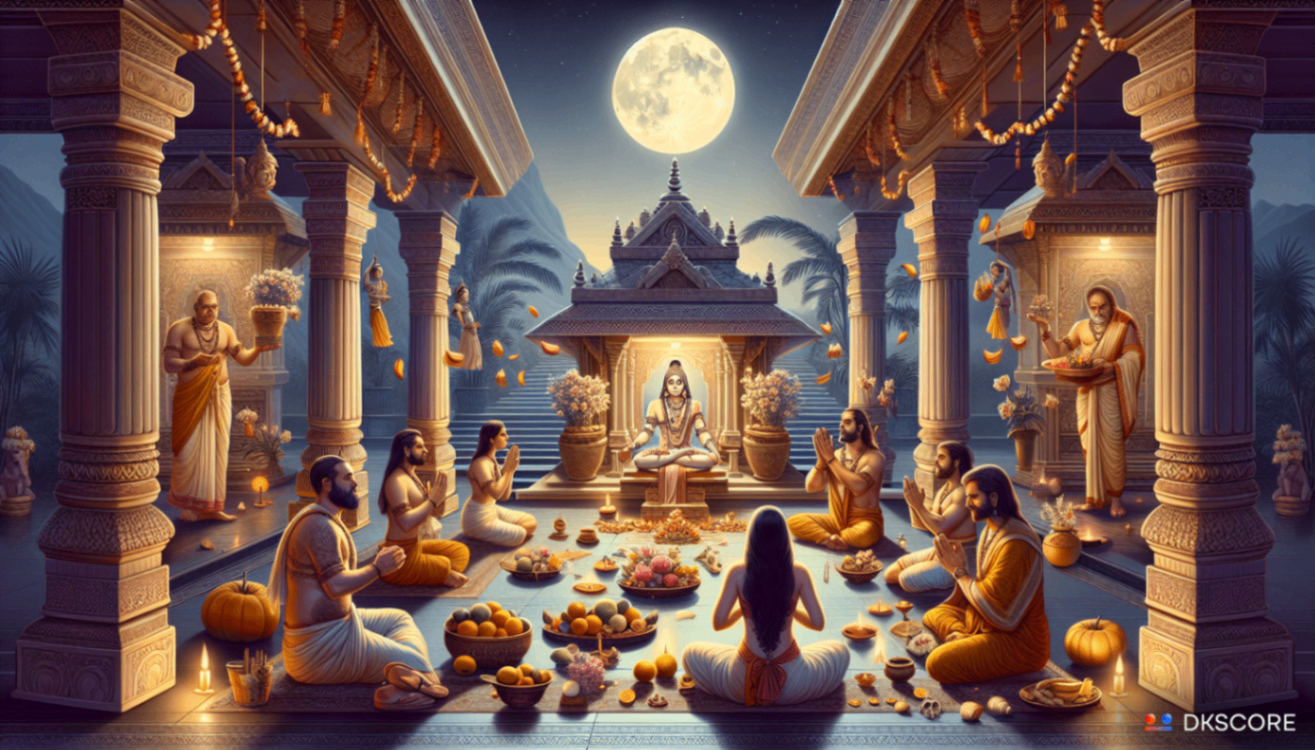
Ishti Shukla Purnima is anchored in the broader Hindu understanding of the full moon (Purnima) as a powerful moment of spiritual attention. “Shukla” refers to the bright half of the lunar month, and “Purnima” marks the day when the moon is fully illuminated. The combination is seen as especially auspicious for acts of devotion, charity, and renewal.

In many communities, the day is used to honor ancestors and deities through collective prayers, temple rituals, and family pujas. It is also a time to cleanse the home and mind, to offer service to those in need, and to practice forgiveness and gratitude. The festival emphasizes balance: the mind’s clarity (represented by the moon) and the sun’s energy (represented by the broader daily cycle). Observers often engage in charity, share meals with others, and perform acts of kindness as a way to align the inner life with outer action.

Why Ishti Shukla Purnima remains meaningful today is that it bridges ancient rhythm with modern life. People working in urban settings can still observe simple, meaningful rituals—lighting a lamp, reciting short prayers, or giving alms—without sacrificing the pace of daily routines. The festival invites reflection on relationships, health, and purpose, making it a moment of gentle reset in the winter season.

Key takeaways on significance:

  • Marking a clean, auspicious starting point in the lunar month.
  • Celebrating the Moon’s influence as a symbol of clarity, calm, and compassion.
  • Encouraging charitable acts and service to others, especially the vulnerable.
  • A time to honor elders and ancestors through offerings or prayers.
  • A chance to align personal intentions with community welfare.


Ishti Shukla Purnima JAN 2026 2024 Date and Timing

The exact date of Ishti Shukla Purnima in January 2026 depends on the local Hindu lunisolar calendar your community follows. Shukla Purnima occurs on the full moon during Shukla Paksha (the bright half of the lunar lunar cycle). Because lunar dates shift slightly with solar calculations and regional panchangs, the date can vary by a few days between North Indian, South Indian, and Nepali calendars.

General guidance for planning:

  • Ishti Shukla Purnima typically falls in the latter part of January, often within a window of a few days around the anticipated full-moon date.
  • Local panchangers (calendars) from credible temples or astrologers will provide the exact tithi (lunar day) and muhurta (auspicious time) for your region.
  • In 2026, families commonly observe the day with sunrise-to-sunset activities, but some prefer dawn pujas or evening arati based on local customs.

Timing considerations to plan your observance:

  • Identify the tithi: Ishti Shukla Purnima is a Shukla Paksha Purnima, so confirm the Purnima moment in your calendar.
  • Choose a muhurtam window: many families perform puja in the early morning (roughly within Brahma Muhurta to early forenoon) or after sunset for arati and bhajans.
  • Regional differences: temple timings and temple rituals can influence the schedule; check with your local temple for timings and any festival-specific events.

Note on 2024 versus 2026 timing: The same lunar principle applies in 2024 and 2026, but the exact calendar date shifts by about a day or two due to the lunar cycle. If you want precise timings, look up your regional panchang for the January months in both years and align your observance with the tithi and muhurta given there.

Mythological Stories Behind Ishti Shukla Purnima JAN 2026

Hindu festivals are deeply tied to mythological narratives, and Shukla Purnima is linked to several tales depending on tradition and region. There isn’t a single universal single legend for “Ishti Shukla Purnima,” but many communities honor stories that emphasize dharma (righteous living), compassion, and the cosmic cycles reflected by the Moon.

Common themes you may encounter include:

  • The Moon’s Blessing: In many myths, the Moon (Chandra) shines brightest on Purnima, representing the illumination of the mind. Devotees tell stories of lunar auspiciousness bringing calmness, clarity, and healing. Families may recount tales where the Moon blesses the devoted with steady resolve and forgiveness.
  • Ancestor Reverence: Purnima days are often associated with honoring forebears. A mythic thread explains that the generous deeds of ancestors echo through time, and the Earth offers nourishment in return for gratitude and service.
  • Vishnu and Lakshmi in Purnima Narratives: Several regional legends tie full-moon days to Vishnu’s or Lakshmi’s auspicious appearances or blessings. For communities devoted to Vishnu, Lakshmi, or their avatars, Purnima becomes a moment to renew faith, generosity, and household harmony.
  • Youth, Vows, and Renewal: In some local myths, Purnima becomes a moment when vows are renewed—whether a vrata (fast) or a promise to help others. The story emphasizes turning inward strength into outward service.

It is important to note that mythological narratives vary widely by region, temple tradition, and family lineage. If you seek a specific story tied to your tradition, consult your local priest, temple archives, or a trusted scriptural translator. The core moral—renewal through compassion, gratitude, and service—remains a common thread across narratives.

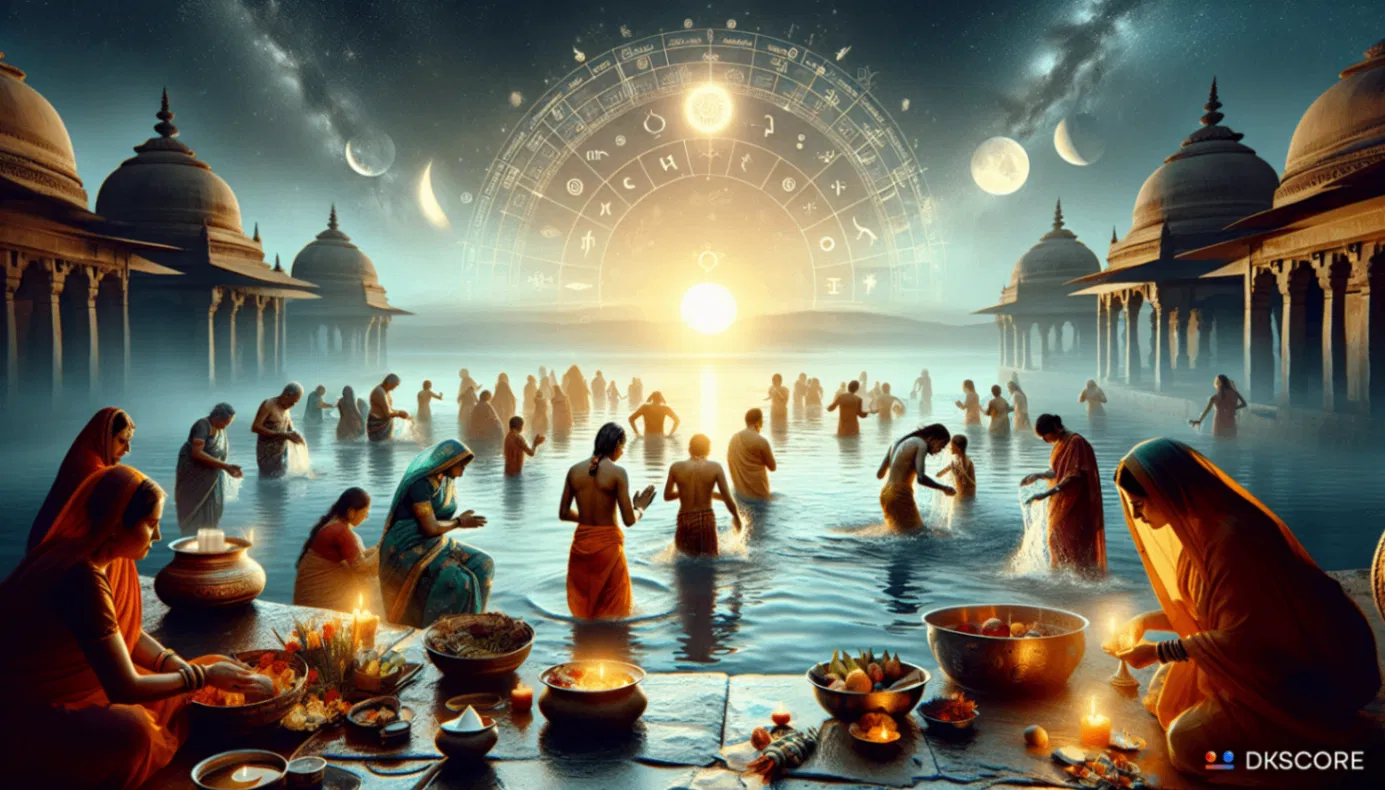
Vedic Astrology and Ishti Shukla Purnima JAN 2026

Vedic astrology looks at the interplay between the Moon, Sun, and the other planets on a given day. For Ishti Shukla Purnima, several astrological factors are commonly considered:

  • Tithi (lunar day): Purnima in Shukla Paksha marks a full moon. The Moon’s phase is a key texture of the day’s energy. Purnima is generally seen as auspicious for purification, charity, and spiritual practices.
  • Nakshatra on the day: The nakshatra (lunar mansion) that overlays the Tithi can influence the day’s mood. Certain nakshatras favor devotional activities, while others emphasize introspection or learning. Your astrologer may note which nakshatra is active and suggest appropriate rituals.
  • Moon-Sun relationship: The Moon’s phase paired with the Sun’s position can indicate emotional balance and clarity. A favorable Moon-Sun alignment is often linked to easier meditation, positive family communication, and productive charity work.
  • The day’s yogas and karanas can affect decisions about timing for puja, travel, or charitable acts. Auspicious yogas (like Siddha or Brahma yoga in various traditions) may be cited for special prayers.
  • Planets in exaltation, debilitation, or dignified houses can shape the energy of the day. For example, a strong Jupiter or Venus influence might support learning, generosity, or family harmony; an afflicted Mars might call for gentler activities and avoidance of conflict.

Practical takeaway for observants: use the day to quiet the mind, perform acts of service, and engage in devotional practices that align with your temperament. If you follow astrology in daily life, you may consult your astrologer to choose an auspicious time (muhurta) for important rituals, and to choose activities that suit the planetary climate of that year.

Ishti Shukla Purnima JAN 2026 2024: Astrological Insights

Across years, the same lunar festival tends to carry a consistent spiritual essence, but planetary movements can add nuance. Here are some broad astrological insights you may find helpful for planning Ishti Shukla Purnima observances in 2024 and 2026:

  • The Moon’s phases govern emotional tone. Full-moon days are often linked to heightened empathy, memory, and dream activity. They can amplify prayers for family well-being and healing.
  • If Jupiter is strong, there can be greater emphasis on wisdom, learning, and charitable actions. If Saturn is strong, steadiness, duty, and disciplined practice become more prominent. If malefic influences are present, choose gentler rituals and avoid risky activities on the day.
  • A favorable Mercury can support heartfelt conversations, reconciliation, and sharing of knowledge—useful for family gatherings and satsang (spiritual gatherings).
  • If Mars is prominent, practices that channel energy into service and discipline can help avoid impulsive actions. Consider structured seva (selfless service) or community service projects.

Practical application: for 2026, plan your puja and charity with a calm plan, schedule a time that feels natural for your household, and use the day to connect with elders and neighbors. In 2024, you might have noticed a similar emphasis but with different planetary tints; the core guidance remains: clarity, compassion, and service.

Rituals and Practices of Ishti Shukla Purnima JAN 2026

Rituals can be simple or elaborate, depending on regional tradition and family customs. Here is a comprehensive guide to common practices that many households and temples observe on Ishti Shukla Purnima:

  1. Purification and cleanliness: Begin with a clean home and a clean body. A holy bath or cold-water ritual is common. Fresh clothes are worn for puja.
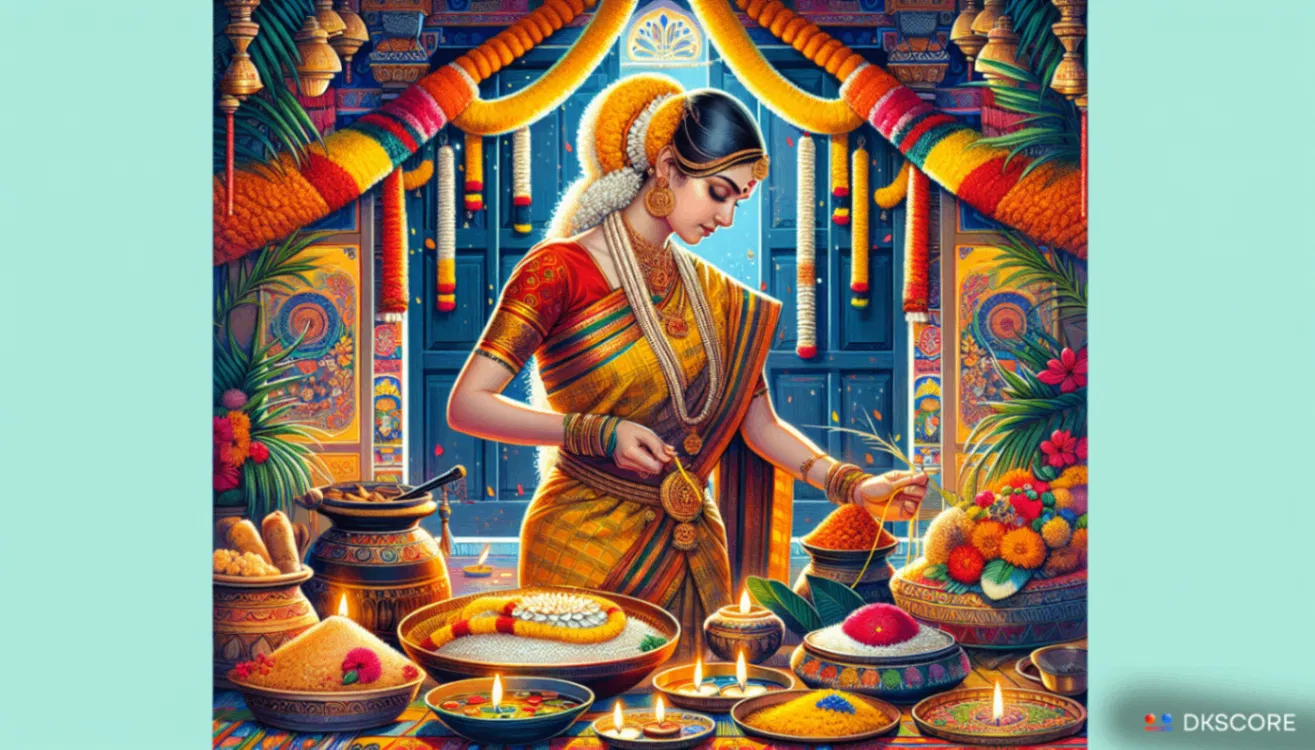
  2. Altar setup: Place a clean picture or idol of a preferred deity (such as Lakshmi, Vishnu, or a moon symbol). Use fresh flowers, rice, turmeric, sandalwood paste, a small lamp, and camphor.
  3. Water offering to the Moon: In many households, a bowl of water or milk is offered to the Moon and circled with a whisper of prayers, acknowledging the Moon’s cooling influence on the mind.
  4. Puja and arati: Chant a chosen set of mantras, sing bhajans, and perform arati with a lamp and incense. A short puja reading from scriptures or a family message about compassion is common.
  5. Food offerings and prasad: Offer prasad such as kheer, fruit, or sweet grains. Share the prasad with family, neighbors, and the less fortunate as a symbolic act of generosity.
  6. Vrat or fasting (optional): Some households observe a vrata—partial or complete fast—to cultivate self-discipline and focus. If you fast, keep hydration and nourishment in mind to stay healthy.
  7. Charity and service: Donating to a local temple, a religious school, or a community kitchen (langar) is highly valued. Providing food to the underprivileged and feeding animals (like cows) are traditional acts of kindness.
  8. Family and learning: Share stories from scriptures, teach children about the significance of the day, and discuss values such as forgiveness, empathy, and service.
  9. Environmentally conscious practices: Use minimal waste, avoid single-use plastics, and recycle materials used in the day’s rituals. Consider eco-friendly lamps and natural colors for tilak or rangoli.

Regional variations exist. Some communities pair Ishti Shukla Purnima with special temple festivals, kirtan programs, or processions. If you attend a temple, follow their guidelines for dress code, participation, and timings. For families observing at home, tailoring the rituals to your household tempo ensures a meaningful day without stress.

Health and Spiritual Benefits of Ishti Shukla Purnima JAN 2026 Rituals

The combination of cleansing, meditation, and charitable acts contributes to both physical health and spiritual well-being. Here are some practical benefits observers often report:

  • Reduced stress and improved calm: Morning or evening pujas create quiet moments that help settle the mind before the day’s demands.
  • Better sleep and relaxation: The Moon’s influence on the mind can foster a gentler sleep pattern when paired with mindful breathing or chanting.
  • Physical activity and discipline: Rituals such as a sacred bath, cleansing, and sometimes a vrata encourage consistency and self-care.
  • Heart-centered connection: Charity and sharing meals enhance a sense of belonging and compassion, which support emotional health.
  • Spiritual clarity: Recitation and reflection during the day can sharpen focus and help identify personal priorities.

It’s important to adapt rituals to your health needs. Hydration, balanced meals, and rest should accompany any fasting or extended prayers. If you have medical concerns or dietary restrictions, adjust the rituals to be safe and sustainable.

Mantra Chanting During Ishti Shukla Purnima JAN 2026

Mantras are a central tool in many Ishti Shukla Purnima observances. They focus attention, cultivate calm, and invite divine blessings. Here are a few accessible mantras you can incorporate:

  1. Chandra Gayatri Mantra: Om Chandraya Vidmahe Chandraya Dhimahi Tanno Chandraya Prachodayat.
  2. Moon Blessings Invocation: Om Som Somaya Vidmahe Chandraya Dhimahi Tanno Chandraya Prachodayat. (A variation used in certain lunar traditions.)
  3. Shanti Mantra for Moon-day Peace: Om Shanti Shanti Shanti. (A simple, universal peace chant that complements the day’s calm energy.)
  4. Namaha to the Moon’s nurturing energy: Om Chandraya Namah or Om Chandraya Namaha Shreem. (A short, respectful chant suitable for beginners.)

Practical tips for chanting:

  • Repeat each mantra 11, 21, or 108 times, depending on your practice level.
  • Chant in a quiet space, with a comfortable posture and a steady breath.
  • Combine mantra recitation with a brief breathing exercise (inhale for 4 counts, exhale for 6 counts) to enhance focus.
  • If you are joining a temple program, follow the group’s sequence and timings for recitation.

If you are new to mantra practice, start with 5–7 minutes a day and gradually increase as you feel comfortable. The goal is steady, heartfelt repetition rather than speed.

Ishti Shukla Purnima JAN 2026 in Modern Times

Modern life often blends tradition with digital and social routines. This section explores how people celebrate Ishti Shukla Purnima today, balancing time, technology, and tradition.

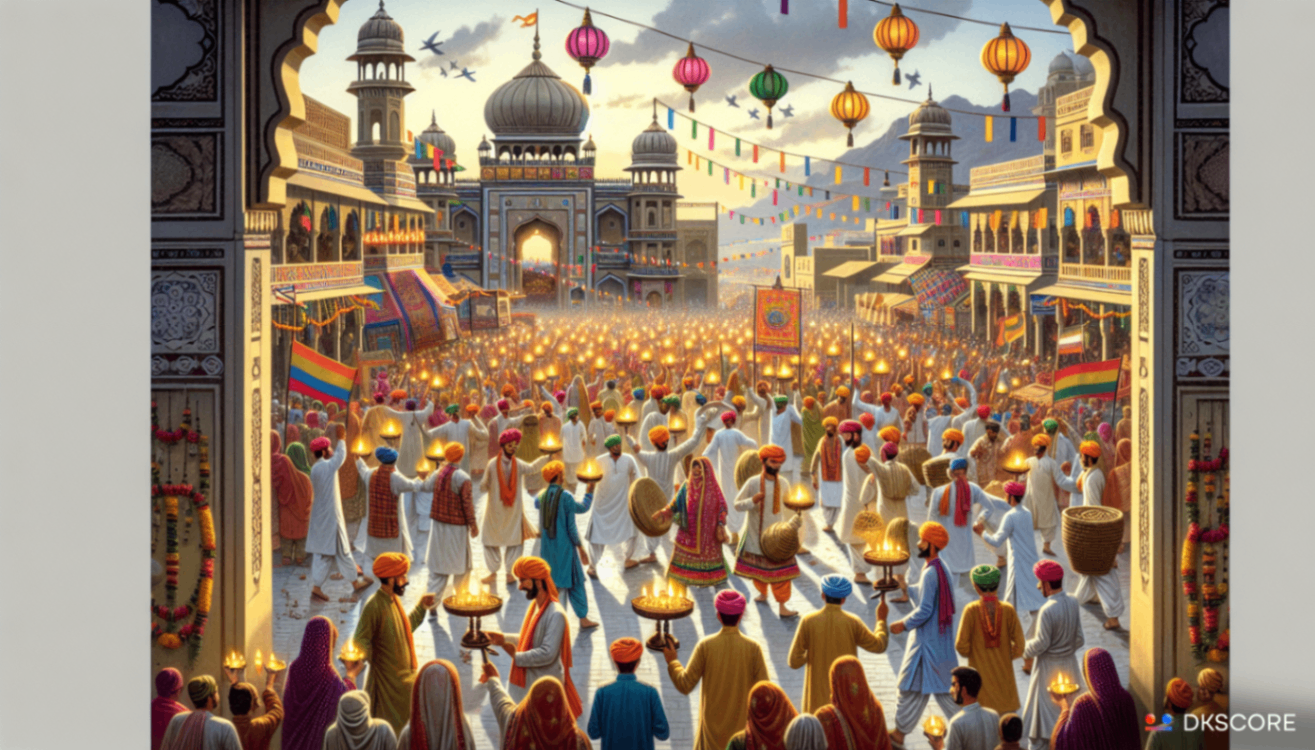
  • Many temples host night-time kirtans, dharma talks, and community meals. Community centers may organize seva drives and food distribution to the needy.
Families come together for puja, prayers, and a shared meal. Grandparents often share stories and traditional recipes with younger members. Digital calendars, temple streaming of pujas, and app-based reminders help people observe the day even in busy schedules. People increasingly favor reusable plates, cloth napkins, and environmentally friendly lamps and colors to minimize waste. The day’s themes of compassion translate into practical acts—volunteering, donating to food banks, and helping neighbors with daily chores.

Practical tips for modern observances:

  • Check your local temple schedule or livestream timing in advance to plan attendance.
  • Prepare a simple home puja kit with essentials to avoid last-minute shopping.
  • Incorporate a short family discussion about gratitude and service, even if you’re in a crowded schedule.
  • Share the day’s learning on social platforms only if it adds value to others—avoid excessive self-promotion; focus on community uplifting messages.

Conclusion

Ishti Shukla Purnima in January 2026 offers a meaningful opportunity to slow down, reflect, and act with kindness. By honoring the Moon’s calmness, the day encourages us to cleanse our minds, nurture our relationships, and extend help to those in need. Whether you observe a full ritual in a temple, a quiet family puja at home, or a simple act of generosity, the core message remains the same: renewal through compassion and service.

The festival’s beauty lies in its adaptability. You can tailor rituals to your health, family traditions, and local customs while preserving its essential spirit. For accurate dates and timings, consult your local panchang or temple calendar, as these vary by region and tradition. May your Ishti Shukla Purnima JAN 2026 be a moment of clarity, warmth, and positive action for you and your community.

Charity and Donations

Joy Stories Foundations

Joy Story Foundation is a section-8, non-profit organization founded in November 2019, registered with Ministry of Corporate Affairs, Government of India. It aspires to build stories around “Joy for Everyone” by practicing the values of collective philanthropy and by maintaining utmost transparency in order to achieve it. Our vision is to ensure that we do our bit to free the world of gloom, sorrow, deprivation, pessimism, and pain by inducing small positive moments to bring joy in the world. And we would go to any extent to achieve that, irrespective of geographical boundaries, religion, age, color or need. Our giving would be completely unbiased, non- religious and non-political.

Have doubts and need help?

Check out our Frequently Asked Questions to find the answers. But hey, if your doubts still persist, we are only a demo call away!

Frequently Asked Questions

Ishti Shukla Purnima JAN 2026: What are the Do's and Don'ts to follow on this day?

Do's: - Take an early purifying bath (snan) and wear clean, modest clothing. - Perform a home puja or visit a temple, offering flowers, incense, and prayers to the Moon (Chandra) and the deities you worship. - Read or listen to devotional stories or slokas related to Shukla Purnima; chant simple mantras. - Practice charity: donate food, clothes, or dakshina to the needy or temple priests. - If observing a fasting vrat, follow your dietary restrictions (light, sattvic meals) and break the fast after moonrise as per your tradition; maintain calm and humility. - Cultivate calmness, avoid anger, and spend time in reflection or meditation. Don'ts: - Do not consume meat, eggs, or alcohol if you are observing a vrat; follow your chosen dietary restrictions. - Avoid quarrels, harsh speech, or harming others; refrain from loud music or disruptive behavior near temples or during puja timings. - Do not skip the puja or devotional duties you have committed to; avoid neglecting prayers or charity. - Do not overeat or indulge in heavy or spicy foods if fasting or on a restricted diet; maintain simplicity and sattvic choices.