
Republic Day 2026: Celebrations, Schedule & Events

 Home
Home DKSCORE AI
 Republic Day 2026
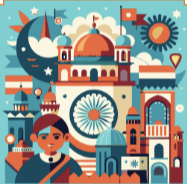
Republic Day is a national holiday in India celebrated every year on January 26. It commemorates the day when the Indian Constitution came into effect, replacing the Government of India Act, thus marking India’s transition from a British Dominion to an independent republic. The day is marked by grand parades showcasing India’s cultural and military heritage, with the most notable parade taking place at Rajpath, New Delhi.
festival
Republic Day 2026
religion
Hinduism
Date
26-01-2026
day
Monday
Muhurat time
--
Duration
--
 Festival Date
26 Jan, 2026
Republic Day
 Today Date
16 Jan, 2026
Republic Day
Time Remaining
Why we Celebrate Republic Day ?
Republic Day is not directly connected to astrological significance but marks the historical adoption of the Indian Constitution on January 26, 1950, symbolizing India's transition to a Republic.
Important Days
Meditation and Mantras
Republic Day 2026: Schedule, Celebrations & Key Events
Republic Day is a cornerstone of Indias democratic journey. Each year on January 26, citizens across the nation come together to honor the adoption of the Constitution and to celebrate the ideals of justice, liberty, equality, and fraternity. The 2026 edition of Republic Day invites a renewed reflection on history, culture, and the role each citizen plays in shaping the future. This article offers a comprehensive guide to the significance, date and timing, mythological and astrological perspectives, rituals, health and spiritual benefits, modern adaptations, and practical insights for observing Republic Day 2026 with meaning and mindfulness.
Understanding the Significance of festival Republic Day 2026
Republic Day marks a watershed moment in Indian history: the moment when the country embraced a sovereign democratic framework through a written Constitution. On January 26, 1950, India ceased to be a colony and became a republic, with the Constitution laying out the framework for governance, fundamental rights, duties, and the responsibilities of the state to its people. The year 2026 adds another layer of meaning as a reminder that constitutional values require ongoing practice in daily life.
Why this day matters goes beyond pomp and pageantry. It is a festival of shared values—respect for the rule of law, protection of civil liberties, and a commitment to social inclusion. It is also a day to acknowledge the diverse tapestry of Indian society and to celebrate the spirit of citizenship. The rituals, speeches, parades, and cultural tableaux are not just performances; they are expressions of national identity, unity in diversity, and aspirational governance.
Key themes to reflect on for Republic Day 2026 include:
- Constitutional rights and duties for every citizen
- Citizen participation in democratic processes
- Accountability, transparency, and the rule of law
- Inclusive development and social harmony
- Respect for diversity, language, culture, and faith
To readers planning to engage with Republic Day beyond the official events, practical actions can reinforce the festival’s values: volunteering in community programs, supporting educational initiatives, participating in local flag-raising ceremonies, and learning about the democratic institutions that safeguard rights and responsibilities in modern India.
Republic Day 2026 Date and Timing
Dates do not change—Republic Day is observed every year on January 26. For 2026, the calendar date remains firmly set: January 26, 2026. The timing of the day’s primary events, however, can vary by location and the official schedule announced by government authorities as the date approaches. Here is a practical guide to what you can typically expect and plan for:
- Date: 26 January 2026. The day begins with dawn rituals and culminates in national ceremonies across the country. In New Delhi, the main Republic Day parade and related ceremonies are the focal point for the nation.
- Main national events (New Delhi): The Republic Day parade on Kartavya Path (the renamed Rajpath corridor) typically features a grand display of India’s military might, cultural tableaux from states and union territories, and fly-past by air force assets. The President’s address to the nation and the presentation of national awards are part of the ceremonial program. The exact start times are released by the government closer to the date and may be adjusted for security and logistical reasons.
- Flag-hoisting ceremonies at government buildings, schools, and public spaces occur at dawn or early morning, followed by commemorative programs, parades, and cultural events at the district or state level.
National broadcasters typically provide live coverage of the Delhi parade and other key events. Local channels and online streams enable citizens across the country and abroad to participate virtually. In many cities, students, ex-servicemen associations, marching bands, and cultural groups contribute to the public programs with pride and discipline. People sometimes gather at public lawns or riverbanks to watch the celebrations on big screens.
Practical tip: If you’re planning to attend the Delhi parade, check the official security advisories, entry procedures, and travel advisories well in advance. If you’re watching from home or a local venue, look up the broadcast schedule ahead of time so you don’t miss the key moments—flag-hoisting, the national anthem, the Republic Day address, and the fly-past.
Mythological Stories Behind Republic Day 2026
Republic Day is a modern political milestone, but Indian culture has a rich tradition of mythological narratives that illuminate ideals of governance, justice, and moral leadership. These stories are often recounted in schools, cultural programs, and public discourse to illustrate the values that underpin a republic—the rule of law, righteous leadership, and the consent of the governed. Here are three mythic threads that resonate with Republic Day’s spirit:
The Ideal King: Rama and the Sovereign Dharma
In the Ramayana, Prince Rama is celebrated as an ideal king who governs with courage, restraint, compassion, and adherence to dharma (duty and righteousness). His rule is marked by fairness, welfare measures for his subjects, and respect for diverse communities. The story is invoked to articulate the idea that political power exists to serve the people and to maintain cosmic order (rita/dharma). On Republic Day, the Rama narrative is used to emphasize the aspiration that leadership should be accountable to high ethical standards, protect the weak, and act with humility.
Yudhishthira’s Rajadharma: Duty, Justice, and Civic Responsibility
The Mahabharata presents Yudhishthira as a king who embodies Rajadharma—the duty of a ruler to govern justly, protect citizens, and uphold truth. Although the epic is a complex tale of war and diplomacy, the central thread is clear: a ruler must balance power with moral responsibility, and the people’s welfare is paramount. This mythological lens helps frame Republic Day as a reminder that sovereignty is exercised with accountability, with laws designed to protect every citizen’s rights while preserving social harmony.
Vasudhaiva Kutumbakam: The World is One Family
Beyond individual rulers, several mythic traditions emphasize unity, inclusivity, and the weaving together of diverse communities. The concept of Vasudhaiva Kutumbakam—“the world is one family”—appears in many tales and is invoked to celebrate India’s pluralism. Republic Day, in this sense, can be seen as a platform for national unity—where people of different faiths, languages, and cultures come together under the Constitution’s protections and responsibilities.
Note: These mythological strands are not literal histories. They are symbolic narratives that highlight enduring values—justice, accountability, unity, and service to the nation. When they are shared during Republic Day programs, they serve as a bridge between timeless wisdom and contemporary civic life.
Vedic Astrology and Republic Day 2026
Vedic astrology offers a way to reflect on the symbolic dimensions of a day that is significant for millions of people. While it cannot determine outcomes, it provides a lens to consider moments of public life in terms of celestial symbolism, time, and auspiciousness. Here are some general considerations that astrologers might discuss when looking at Republic Day 2026:
- Lagna and lunar position: On a national observance day, astrologers may note the lagna (rising sign) for New Delhi (or your local city) at sunrise and the current nakshatra (lunar mansion). These factors are used to discuss themes such as leadership, public welfare, and collective purpose.
- Sun influence: The Sun represents authority and the government’s administrative energy. Its sign and aspects can be interpreted to comment on governance, clarity, and the visibility of public institutions.
- Mercury and communication: Mercury governs speech, the media, and information flow. Positive Mercury aspects can be read as favorable for clear communication, civic education, and public discourse.
- Saturn’s discipline: Saturn’s influence relates to structure, law, and long-term planning. A strong Saturn might be seen as supporting reforms, accountability, and resilient institutions.
- Rahu-Ketu and change: The nodal positions often symbolize turning points, shifts in public perception, and the emergence of new governance paradigms.
Important caveat: astrology is a symbolic tool for reflection, not a predictor of concrete outcomes. Observers use it to contemplate the spirit of the day and to set a mindful tone for public rituals and personal actions.
Republic Day 2026: Astrological Insights
Building on the vedic framework, some practitioners offer practical, day-of-sun-moon guidance for participants and organizers. Here are commonly discussed insights that may be considered by families, schools, and event planners preparing for Republic Day 2026:
- Timing for personal observances: If you wish to perform a small, personal ritual—such as a moment of gratitude, a brief meditation, or a family prayer—early morning around sunrise is often suggested in many cultures. This aligns with the tradition of dawn flag-raising ceremonies in many Indian communities.
- Auspicious spaces: Many people prefer to hold gatherings in quiet, clean spaces with a clear view of the flag. When attending public events, arriving early helps reduce stress and ensures you can participate fully in the rituals.
- Intent and energy: The intention you bring to Republic Day matters. A focus on civic responsibility, inclusive values, and service to others tends to foster a sense of calm, unity, and collective purpose.
- Local variations: Different regions may emphasize different aspects of the day—historical retrospectives, local legacies, or youth-led initiatives. The astrological lens is most meaningful when it respects local calendars, culture, and constraints.
Again, it’s important to treat astrology as a complement to practical planning, not as a substitute for official schedules or safety guidelines. The day’s success depends on thoughtful preparation, inclusive participation, and respect for the law and public safety protocols.
Rituals and Practices of Republic Day 2026
Rituals lie at the heart of Republic Day. They are not merely ceremonial; they are occasions to reaffirm values, to teach younger generations about governance, and to celebrate the living democracy. Here is a detailed guide to the most common rituals and how people participate in them thoughtfully and respectfully.
Flag Hoisting and Flag Code Respect
The day often begins with flag-hoisting ceremonies at government offices, schools, and public spaces. The national flag is treated with great respect; it is raised briskly and lowered ceremoniously. Citizens are encouraged to follow the Flag Code of India—handling the tricolor with care and ensuring it is displayed in a dignified manner. Safe and proper disposal of worn flags is part of the practice in many communities.
National Anthem and Vows
After the flag is hoisted, the National Anthem is sung. This moment invites collective participation and a shared sense of belonging. In schools and community gatherings, students often recite a pledge of citizenship or recite lines about duty and honor, reinforcing the social contract that sustains the republic.
Guard of Honour and Parade
The Republic Day parade is a display of the nation’s military and cultural strengths. A Guard of Honour, led by senior officers, salutes the President, followed by a march-past by armed forces personnel and paramilitary units. Units from various states and union territories showcase their cultural tableaux, traditional costumes, folk dances, and modern innovations. The parade is a living symbol of unity in diversity and national resilience.
Air Fly-past and Military Displays
The sky often becomes a canvas for precision and skill as the Indian Air Force conducts a fly-past, sometimes featuring aerobatic teams and a mix of aircraft. The sortie’s timing is synchronized with the parade and national anthems, creating a powerful moment of national pride and technological achievement.
State and Union Territory Tableaux
Every state and some ministries present tableaux that showcase cultural heritage, social progress, and regional achievements. These displays provide a broad panorama of India’s diversity and its forward-looking programs in education, health, infrastructure, and social welfare.
Speeches and Awards
The President’s address to the nation is a defining moment. It typically reflects on the Republic’s journey, policy directions, and calls for unity and service. National awards and honors to citizens who have distinguished themselves in public life, education, science, health, and social service are announced and celebrated during national ceremonies as part of Republic Day week activities.
Family, Community, and School Observances
Across the country, families gather for flag-raising rituals, school programs, and community events. Students may recite poems, sing patriotic songs, and participate in discussions about Constitutional rights and civic duties. These activities help embed democratic values in daily life and encourage youth to engage with governance in constructive ways.
Health and Spiritual Benefits of Republic Day 2026 Rituals
Participating in Republic Day rituals offers more than a sense of pride. It contributes to physical well-being, mental clarity, and spiritual grounding when approached with mindfulness and inclusivity. Here are some health and spiritual benefits often associated with the day’s rituals:
- Physical activity and energy: Morning flag-raising ceremonies, parades, and walks encourage light physical activity, which supports cardiovascular health, flexibility, and mood regulation.
- Social connection and community belonging: Shared rituals foster social bonding, reduce loneliness, and create social capital that supports mental health and resilience.
- Discipline and focus: Rehearsals, punctuality, and teamwork in school and community groups cultivate discipline and attention to detail, which can transfer to daily life and work.
- Mindfulness and gratitude: Moments of reflection during the national anthem, moments of silence, or a personal gratitude practice can improve emotional regulation and a sense of purpose.
- Spiritual grounding: For some, rituals such as prayer, mantra chanting, or meditation bring serenity, reduce stress, and deepen a sense of moral direction aligned with service to others.
Practical suggestions to maximize well-being on Republic Day include timing light physical activity with rest, staying hydrated, avoiding crowded spaces if you have health concerns, and balancing public participation with personal space and family time. If you have spiritual practices, you can incorporate a short moment of contemplation or gratitude before or after the day’s events.
Mantra Chanting During Republic Day 2026
Chanting or meditative recitation can be a meaningful way to ground personal experience in the day’s broader purpose: unity, service, and respect for the nation. Here are simple mantras and practices that people often use in the Republic Day context. They are suitable for individuals, families, classrooms, and community gatherings.
- Om Shanti Shanti Shanti — A universal peace mantra often chanted at the end of ceremonies to cultivate calm and harmony among participants.
- Loka Samastah Sukhino Bhavantu — Translation: May all beings everywhere be happy and free. This mantra fosters compassion and a sense of shared well-being across diverse communities.
- Sarve Bhavantu Sukhinah — Translation: May all beings be happy. A concise supplication for collective welfare and mutual respect.
- Vasudhaiva Kutumbakam — “The world is one family.” Recitations of this concept can accompany a moment of unity and gratitude for diversity.
- Nonviolent or aspirational mantras for the nation — Short phrases that emphasize service, integrity, and responsibility, such as “Duty with compassion” or “Service to nation, service to all.”
Practice suggestions: choose a quiet space, sit with a straight posture, and focus on breath for a minute first. Recite the chosen mantra aloud or softly for 3–5 minutes, either individually or as a group. If you are leading a class or ceremony, you can begin and end with a short invocation and a collective breath to center participants.
Republic Day 2026 in Modern Times
The modern observance of Republic Day blends tradition with technology and global connectivity. Here are key trends shaping how the festival is observed today, and how communities can participate meaningfully in 2026:
- In addition to traditional TV coverage, many households and institutions engage via live streams, social media, and virtual classrooms. This opens the festival to the Indian diaspora and international audiences.
Schools, colleges, and NGOs organize sessions on constitutional rights, voter education, and civic responsibilities. The day becomes an occasion to discuss governance, public policy, and governance challenges. Youth groups and student associations may launch projects focused on public service, community outreach, or sustainability, aligning with the Republic Day ethos of service to the nation. There is a growing emphasis on accessibility, environmental responsibility, and inclusive participation in public events. Parades and programs aim to accommodate diverse audiences, including differently-abled attendees. Indians living abroad often participate by hosting local flag-raising events, sharing cultural performances, and sending messages of solidarity with the homeland. Official channels encourage accurate information, while many communities use digital platforms to educate, inspire, and invite participation in constructive civic dialogue.
Practical tips for modern participation:
- Follow official schedules and security advisories if attending public events.
- Respect the flag and the national symbols; avoid commercial use of symbols in unofficial contexts without permission.
- Engage with educational content about the Constitution, law, and civic responsibility to extend the day’s meaning beyond celebration.
- Support inclusive events that invite participation from all backgrounds, including differently-abled and marginalized groups.
- Share positive, constructive messages online that highlight unity, compassion, and public service.
Conclusion
Republic Day 2026 offers a moment to honor India’s constitutional democracy and to reaffirm a shared commitment to justice, liberty, equality, and fraternity. The day’s rituals—flag hoisting, parades, tableaux, prayers, spoken tributes, and the President’s address—are more than ceremonial acts. They are invitations to reflect on governance as a public shared project, from the highest offices to the smallest acts of civic responsibility in daily life. The mythological threads remind us of timeless ideals of righteous leadership and collective welfare. The astrological perspectives invite mindful awareness of timing and intention, while the modern realities of digital connectivity broaden participation and education about governance across borders.
To observe Republic Day 2026 with thoughtful engagement, consider incorporating the following practical steps:
- Attend or host a flag-raising ceremony with family, friends, or students, focusing on the values of citizenship and service.
- Join or organize a civic education activity—learning about the Constitution, fundamental rights, and duties.
- Incorporate a short moment of reflection or mantra chanting to cultivate gratitude, unity, and peace.
- Participate in community service or a school project aimed at helping others and strengthening social bonds.
- Respect and protect the symbols of the nation, including the flag, and learn the basic do’s and don’ts associated with symbol usage.
As India commemorates Republic Day 2026, the country’s strength lies not only in its diverse cultural forms and spectacular displays but also in the daily actions of its citizens. By embracing constitutional values, practicing compassion, and contributing to the common good, individuals can help ensure that the republic remains healthy, inclusive, and forward-looking for generations to come.
Charity and Donations
Joy Stories Foundations
Joy Story Foundation is a section-8, non-profit organization founded in November 2019, registered with Ministry of Corporate Affairs, Government of India. It aspires to build stories around “Joy for Everyone” by practicing the values of collective philanthropy and by maintaining utmost transparency in order to achieve it. Our vision is to ensure that we do our bit to free the world of gloom, sorrow, deprivation, pessimism, and pain by inducing small positive moments to bring joy in the world. And we would go to any extent to achieve that, irrespective of geographical boundaries, religion, age, color or need. Our giving would be completely unbiased, non- religious and non-political.
 Donation Links
https://joystoryfoundation.org/Upcoming Festivals

Pradosh Vrat 2026
Bi-monthly occasion dedicated to Lord Shiva, observed on the 13th day of each lunar fortnight

Masik Shivaratri January 2026
Devotees observe fasting, offer prayers to Lord Shiva, and chant mantras like "Om Namah Shivaya" to… Read more

Mauni Amavasya 2026
Mauni Amavasya is observed with silence and fasting, focusing on inner reflection and connecting wit… Read more

Thai Amavasai 2026
Thai Amavasai is a significant day for paying homage to ancestors. Hindus observe various rituals to… Read more


 Download App