


 Kajari Teej


 Pooja Vidhi
 Benefits
 Mantras
 Rituals
A detailed overview of Kajari Teej 2026, blending tradition with contemporary practices across regions where this festival is observed.
Understanding the Significance of festival Kajari Teej 2026
Kajari Teej is one of the vibrant Teej celebrations observed by married women and girls across several northern and central Indian communities. The festival is steeped in devotion to Goddess Parvati and Lord Shiva, and it centers on blessings for marital harmony, long life for husbands, and the well‑being of the family. The word “Kajari” itself evokes the monsoon season and the poignant songs that accompany these rainy weeks. These songs, sung in gatherings and households, speak of longing, love, and the hope for a peaceful, prosperous married life. Over the centuries, Kajari Teej has evolved from temple rituals and family panchayats to inclusive community programs, weaving together spiritual devotion with social bonding.
Historically, Kajari Teej is celebrated during the monsoon era when the land is lush and rains revive nature. The festival offers a platform for women to come together—share stories, exchange recipes, perform collective prayers, and celebrate sisterhood. In many regions, the observance also emphasizes gratitude for sustenance, the renewal of fertility in the land, and the protection of marriage against discord. In this sense, Kajari Teej blends the cosmic whosechings of astrology with everyday life: family, health, and the emotional bonds that hold households together.
In 2026, communities might emphasize sustainability and accessibility in rituals. You will often notice a renewed emphasis on inclusive participation, eco-friendly decorations, and online resources that help diasporic communities stay connected with their roots. Yet the core purpose remains enduring: to honor marital felicity, to nurture the wellbeing of spouses and children, and to find spiritual grounding in devotion, song, and ritual practice.
Kajari Teej 2026 Date and Timing
Date and timing for Kajari Teej vary by region because the festival follows the lunar calendar (tithi) and regional sunrise/sunset times. In North and Central Indian traditions, Kajari Teej is typically observed on the third day of the bright half (Shukla Paksha) of a lunar month associated with the monsoon—often aligning with the Bhadrapada or Shravan period, depending on the year’s auspicious calculations. Because lunar calendars shift slightly year to year, the exact day can differ by locality, temple, and family custom.
For 2026, the commonly followed practice in several communities is to observe Kajari Teej in mid‑August. Many households plan the main puja and ritual acts on the festive day, while preparatory customs begin in the days leading up to it. As with all Teej observances, the tithi and nakshatra (lunar mansion) at the start of the day determine the auspicious window for prayers and announcements in the morning and evening pujas.
Timing considerations you may encounter in 2026 include:
- Moonrise and Moonset windows: Puja and ritual singing often begin at dawn (brahma muhurta) or just after sunrise, and some families conduct a late‑evening aarti when the moon is visible.
- Muhurats for puja: Community centers and temples may publish favorable muhurats for specific rituals, such as the main aarti, offering of naivedya, and the ceremonial swinging (jhoola) of the festivals symbolic decorations.
- Regional variance: In areas where Kajari Teej is integrated with local customs (for example, certain parts of Rajasthan, Uttar Pradesh, Madhya Pradesh, and Bihar), rituals can be tuned to local deities and seasonal conditions, which might shift the precise day by a day or two in regional calendars.
Practical tip: if you plan to participate in Kajari Teej in 2026, check with your local temple calendar and speak with a priest or community leader a few weeks in advance. They can confirm the exact tithi, nakshatra, and muhurats for your locality. For travelers or diaspora communities, many temples publish festive schedules online and share live streams for those who cannot attend in person.
Mythological Stories Behind Kajari Teej 2026
Mythology anchors Kajari Teej in a tapestry of stories about love, devotion, and the power of steadfastness. While the festival bears regional variations, the central narratives revolve around Goddess Parvati’s devotion to Lord Shiva, the unity of the divine couple, and the longing of lovers who seek enduring partnership. Here are a few core myths commonly recounted during Kajari Teej across traditional households:
- Parvati and Shiva: The vow of eternal companionship. One of the principal narratives presents Goddess Parvati performing intense tapas (austerities) to win Lord Shiva as her husband. Her devotion, patience, and pure love are celebrated as a model for married women who seek the strength and protection of a harmonious marriage. The story underscores the belief that steadfast devotion can bring blessings, even in the face of great obstacles.
- The monsoon’s longing songs: Kajari as a reflection of desire and renewal. The term “Kajari” connects to the monsoon season’s rains and the plaintive, hopeful songs that accompany this time. In folk tradition, the songs express longing for a beloved, reconciliation, and the renewal of life that monsoon brings. This cultural layer reinforces the festival’s emotional resonance: marriage as a partnership that requires nurturing, patience, and joyful reunion after periods of strain or separation.
- Gauri Puja and the household vow. In many households, Kajari Teej is linked to practices honoring Goddess Gauri (Parvati). The cycle of fasting, prayer, and offerings becomes a family vow to safeguard the home, ensure marital prosperity, and awaken gratitude for the partner’s presence and support. Stories shared during family gatherings emphasize mutual respect, care, and mutual responsibility within marriage.
- Regional legends and community tales. In some communities, local folk tales bring in additional layers—ranging from tales of sacred rivers and local goddesses to ancestral stories where daughters seek blessings for a happy, long life for their husbands. These narratives contribute to a sense of shared identity and continuity across generations.
Whether recited in a temple discourses or sung in a home during a family gathering, these mythic motifs reinforce the festival’s message: marriage is a sacred covenant that benefits from devotion, mutual respect, and care, under the blessings of the divine feminine and the divine masculine in unity.
Vedic Astrology and Kajari Teej 2026
Astrology plays a significant role in shaping the auspicious frame for Kajari Teej. Vedic astrology looks at the interplay between celestial bodies (the Sun, Moon, planets) and the tithi (lunar day) to assess how energies may influence relationships, home life, health, and spiritual growth during the festival. For Kajari Teej, astrologers focus on the Moon’s position, its phase, and its Nakshatra, as well as the influence of Jupiter, Venus, and Saturn on family harmony and marital well‑being.
Key astrological considerations commonly discussed for Kajari Teej include:
- Moon (Chandra) factors: A strong, well‑placed Moon is often associated with emotional balance, empathy, and a harmonious domestic life. Conversely, a challenged Moon may encourage introspection or conflict, which practitioners may address through careful puja, prayers, and mindful actions during the festival.
- Planetary alignments: Benefic placements of Venus (prosperity and affection) and Jupiter (wisdom and growth) are generally viewed as favorable for marital harmony and family well‑being. Saturn’s influence is considered in terms of discipline and long‑term commitments within relationships.
- Nakshatras and tithi: The specific Nakshatra in which the Moon rests and the tithi during Kajari Teej can shape the recommended rituals and focus—such as devotion to the divine couple, thanking the divine feminine for protection, and renewing family vows.
Practical takeaway: astrology in Kajari Teej emphasizes aligning one’s intentions with celestial rhythms. Even if you do not follow astrology strictly, adopting mindful rituals during this period—ritual purity, sincere prayer, gratitude practices, and acts of service—can harmonize inner energies with the seasonal transitions and familial commitments of the festival.
Kajari Teej 2026: Astrological Insights
Beyond generic zodiacal guidance, many practitioners seek concrete astrological insights to plan their observances. For Kajari Teej 2026, you can consider the following commonly discussed themes in astrological horoscopes and panchang references:
- Energy for bonding: The period often points toward soft, receptive energies that favor open communication and emotional closeness. This is a good window to reconcile differences, express appreciation, and renew mutual commitments.
- Health and vitality: With the monsoon season as a backdrop, there can be a focus on immune resilience, hydration, and nourishment. The astrological lens sometimes encourages gentle routines that support well‑being for women observing fasting and long ceremony days.
- Sacred ritual timing: Auspicious muhurats for starting fasts, performing jhoola (swing) rituals, and conducting family pujas are usually highlighted by astrologers. Sacred timings may favor early dawn prayers and an evening aarti when the atmosphere is tranquil.
Note: astrology offers a guiding framework, not a rigid mandate. Personal belief, family tradition, and local temple calendars shape how you approach Kajari Teej in 2026. If you prefer a personalized reading, consult a trusted astrologer who can consider your birth chart (Janma Kundali) and your region’s panchang for precise guidance.
Rituals and Practices of Kajari Teej 2026
The ritual repertoire of Kajari Teej is rich and varied. Across homes and temples, women engage in customs that combine fasting, devotion, music, and communal sharing. The practices typically emphasize purity, gratitude, and the renewal of marital and family bonds. Here is a structured overview of common rituals performed during Kajari Teej 2026:
Preparation and Cleanliness
As with many Hindu festivals, the lead‑up to Kajari Teej involves a clean, sacred atmosphere. Families clean the home, decorate with rangoli or mandana patterns, and prepare fresh clothes and prasad. Some households undertake a refreshing bath and wear new outfits as a gesture of renewal. The home altar is prepared with images or idols of Parvati and Shiva, along with flowers, incense, lamps, and fresh fruits.
Fasting and Vrats
Fasting is central to Kajari Teej for many women. Depending on family custom, the fast may be strict (nirjala fast, where no water is consumed) or partial (consuming certain allowed foods). The fast is often kept for the entire day, concluding after the evening puja or aarti. Some women choose to break the fast with a special prasad after a short period of prayer, while others may continue through the night or until dawn.
Jhoola (Swing) Ritual
A distinctive feature of Kajari Teej is the symbolic swing (jhoola) decorated with fresh flowers, mango leaves, and cloth. Women sit on the swing while singing Kajari songs and reciting prayers. The swing ritual represents the cyclical nature of life, the renewal of relationships, and the joy of companionship. In modern contexts, some families integrate virtual or community swings at temple premises to accommodate larger groups.
Puja and Aarti
Home or temple pujas are performed to honor Parvati and Shiva. Typical elements include offering puja to the deities, lighting lamps, sprinkling sacred water, and performing aarti with camphor and incense. The prayers often emphasize harmony within the home, protection for husbands and children, and gratitude for the blessings of family life. Communities may also recite or sing devotional songs celebrating the divine couple.
Naivedya and Festive Offerings
Prasad or naivedya is prepared with care. Common offerings include: - Puran poli, puri-aloo, halwa, or kheer - Fresh fruit, coconut, and sweets - Special seasonal dishes crafted from monsoon‑season ingredients These foods are distributed among family members and, in temple settings, offered to the deities before being shared with devotees.
Women’s Gatherings and Storytelling
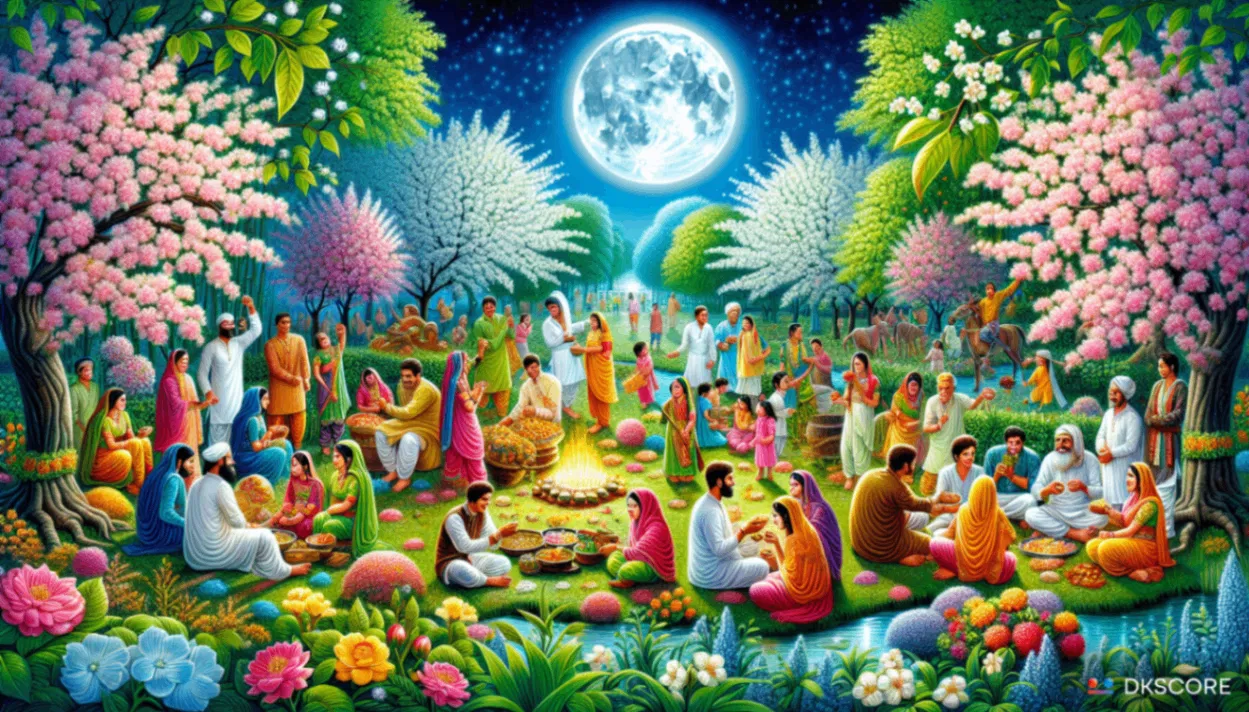
Gatherings of women are central to Kajari Teej. In homes and community centers, women recount stories of Parvati and Shiva, share personal experiences, and sing Kajari songs that reflect longing, devotion, and resilience. Some communities organize cultural programs, dance, and poetry recitals that honor the festival’s themes and celebrate sisterhood.
Gauri Puja and Decor
Gauri Puja is often integrated with Kajari Teej rituals. Women may place images or small idols of Gauri at the entrance or on home altars, worship her for marital happiness, and invite blessings into the household. Decorations include fresh flowers, colorful fabrics, and eco‑friendly materials that reflect a modern, sustainable approach while honoring tradition.
Health and Spiritual Benefits of Kajari Teej Rituals
The rituals of Kajari Teej offer a blend of physical, emotional, and spiritual benefits that many participants find meaningful. While these benefits are culturally framed, they resonate with modern wellness perspectives as well. Here are some key areas often discussed by practitioners and scholars:
- Mindful discipline and self‑control: Fasting and structured prayer promote self‑discipline, which can foster a calmer mindset, improved attention to daily routines, and healthier snacking habits when the fast ends.
- Social connection and support: The festival brings women together, strengthening social bonds, shared memories, and mutual support networks. Community involvement can buffer stress and create a sense of belonging.
- Emotional well‑being and resilience: Expressing gratitude, sharing stories, and singing joyful songs can raise mood, lower stress, and cultivate emotional resilience during a season of change and responsibilities.
- Reflection on relationships: The focus on marital harmony encourages conversations that might otherwise be avoided. This can lead to clearer communication, renewed empathy, and a more harmonious home environment.
- Spiritual grounding and meaning: Engaging with mythological narratives and devotional practice anchors daily life in values of devotion, respect, and care for family members.
Practical considerations for health: if you have dietary restrictions, medical conditions, or are pregnant, consult a healthcare professional before fasting. Stay hydrated if you choose a partial fast, and listen to your body. The spiritual dimension of Kajari Teej is best supported when practices are undertaken with awareness, consent, and consideration for personal health.
Mantra Chanting During Kajari Teej 2026
Mantra chanting is a common accompaniment to Kajari Teej rituals. Chanting sessions typically begin in the early morning and may continue in the evening, often accompanied by the ringing of bells and the fragrance of incense. The repetition of sacred sounds helps direct attention inward, fosters a sense of sanctity, and supports the intention of marital harmony and family well‑being.
Below are sample mantras that are commonly recited during Kajari Teej. If you are following regional customs, you may also incorporate local mantras chanted by your family priest or temple priest. Practice with a calm pace and clear pronunciation, using a mala (rosary) if you prefer 108 repetitions per session.
- Om Namah Shivaya — A universal invocation to Lord Shiva, invoking protection, strength, and spiritual focus for the household.
- Om Dum Durgayei Namaha — A Durga mantra used in some communities to seek maternal protection, courage, and harmony within family life.
- Om Saraswataya Namaha (or Om Shreem Saraswathyai Namaha) — A focus on wisdom, eloquence, and harmonious communication within marriage and home life.
- Om Mahalakshmiyei Namaha — For blessings of abundance, prosperity, and welfare of family members.
- Shanti Mantras — Short prayers for peace within the home, such as Om Shanti Shanti Shanti.
Guidelines for mantra practice in 2026:
- Choose 1–2 core mantras for focused practice each day.
- Practice in a calm, clean space with a simple candle or lamp and minimal distractions.
- Repeat the mantra with rhythmic breathing, ideally for 5–15 minutes per session, adjusting to your comfort level.
- Respect local traditions and consult a priest if you want region‑specific prayers tied to Parvati, Shiva, or the goddess you honor.
Note: Mantras are a personal and cultural practice. If you have a specific tradition or lineage, follow those guidelines or seek guidance from a trusted spiritual mentor.
Kajari Teej 2026 in Modern Times
In recent years, Kajari Teej has adapted to contemporary lifestyles while preserving its core spirit. Modern observances frequently blend age‑old rituals with digital convenience, eco‑friendly practices, and inclusive community activities. Here are some trends you might notice in 2026:
- Community and online connections: Temples and cultural organizations host virtual pujas, live streams of aartis, and online satsangs to help people who are far from home still participate fully in the festival.
- Girls’ and women’s groups: Local women’s groups organize practical workshops on rangoli, mehendi, and cooking Kajari‑themed dishes, allowing participants to learn, share, and laugh together.
- Sustainable celebrations: Eco‑friendly decorations, reusable rangoli materials, and less wasteful prasad packaging are common in many urban and suburban communities.
- Diaspora celebrations: In countries with Indian communities, Kajari Teej is observed in temples and community halls, often with bilingual programs and cross‑regional songs that reflect diverse backgrounds.
- Travel and cultural exchange: Some travelers seek Kajari Teej experiences in northern India, joining temple rituals, attending community feasts, and exploring monsoon‑season landscapes that enrich the festival’s symbolism.
Practical tips for modern participants:
- Plan in advance with your local temple calendar to participate in the main puja and swinging rituals.
- Respect local customs—dress modestly, remove shoes if required, and follow temple rules during rites.
- Support eco‑friendly practices by using washable décor, composting flower offerings, and avoiding single‑use plastics.
- Share your experiences with friends and family through mindful storytelling that preserves the festival’s heritage while embracing contemporary values.
Conclusion
Kajari Teej 2026 stands at the intersection of devotion, culture, and community. The festival reinforces timeless themes—devotion to the divine feminine, fidelity and partnership, mutual care, and the renewal that comes with the monsoon season. Whether you observe it through fasting, a communal puja, a heartful round of Kajari songs, or quiet reflection at home, Kajari Teej invites you to nurture the bonds that sustain family life and spiritual well‑being.
As communities continue to celebrate this festival in evolving ways—incorporating modern conveniences, eco‑friendly practices, and global connections—Kajari Teej remains a beacon of love, resilience, and shared joy. The date for Kajari Teej 2026 may vary by region, but the essence remains constant: honor partnership, honor devotion, and honor the seasonal rhythms that remind us to care for each other and the world we inhabit.


 Donation Links



 Download App