
Onam 2026 Festival Details: Celebrations, Timings & Venues

 Home
Home DKSCORE AI
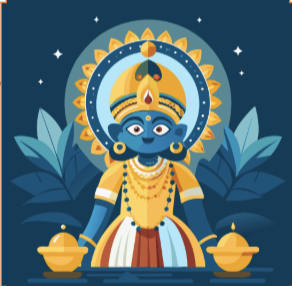 Onam 2026
Harvest festival celebrated in Kerala, welcoming King Mahabali.
festival
Onam 2026
religion
Hinduism
Date
26-08-2026
day
Wednesday
Muhurat time
--
Duration
--
 Festival Date
26 Aug, 2026
Onam
 Today Date
31 Jan, 2026
Onam
Time Remaining
Why we Celebrate Onam ?
Marks the homecoming of King Mahabali. Onam is a harvest festival celebrated in Kerala, India, marking the homecoming of the legendary King Mahabali and the arrival of the harvest season. It signifies unity, prosperity, and the cultural heritage of the region.
Important Days
Meditation and Mantras
Onam 2026: Celebrations, Timings & Venues
Onam is one of the most beloved festivals in Kerala and among Malayalis around the world. It marks a harvest season, cultural heritage, and a mythic homecoming. Each year, families come together to decorate homes, cook grand feasts, and participate in joyful community events. Onam 2026 carries the same spirit, with new ways to celebrate while honoring age‑old traditions. This article provides a comprehensive look at the festival’s significance, the dates and timing for 2026, mythological stories, astrological influences, rituals, health and spiritual benefits, mantra practices, and how Onam is observed in modern times. It aims to be a clear, engaging guide for anyone planning to celebrate or simply learn more about this iconic festival.
Understanding the Significance of festival Onam 2026
Onam is more than a single day of festivity. It is a multi‑day season of joy that blends culture, spirituality, and social harmony. The core ideas that give Onam its enduring significance are shown below.
- Harvest gratitude: Onam celebrates the harvest season. Farmers and families pause to express gratitude for the land’s gifts. This creates a sense of abundance and sharing that lasts through the festival.
- Legends of Mahabali: The festival honors King Mahabali, a ruler known for justice, generosity, and equal treatment of all his people. The myth of Mahabali’s benevolent reign inspires values of kindness and communal wellbeing.
- The Vamana connection: The legend of the Vamana avatar of Lord Vishnu teaches balance between humility and power. It explains why Onam rituals blend devotion with a wakeful celebration of life’s generosity.
- Unity and social harmony: Onam brings people together across age, caste, and class. Food, music, dance, and games create a shared sense of belonging and peace.
- Family and cultural richness: The festival showcases Kerala’s arts and crafts—pookalam (floral floor art), traditional dances like Kathakali and Theyyam, and regional music. It’s a living celebration of culture.
For families today, Onam remains a practical festival too. It structures a seasonal routine: cleaning homes, preparing special meals, visiting loved ones, and giving to those in need. These practices nurture health, connection, and a sense of purpose. In 2026, the same themes endure, even as people adapt to modern lives, travel, and digital communication. The result is a festival that feels timeless and timely at the same time.
Onam 2026 Date and Timing
Onam is a multi‑day festival whose dates shift slightly each year because they follow the Malayalam calendar and the lunar phase. The key days are Uthradam (the eve of Onam) and Thiruvonam (the main day). In 2026, Onam is celebrated in the Malayalam month of Chingam. The exact Thiruvonam date can vary by region and by local lunar sighting, so families and organizers should consult their local calendars and Kerala tourism schedules for precise timings. What follows is a general guide to the timing you can expect in 2026.
- Uthradam (the eve): This day is observed a day or two before Thiruvonam. Families often begin preparations, shop for new clothes, and finalize house decorations. In 2026, Uthradam will usually occur in the days leading up to Thiruvonam, with ceremonies starting at dawn and continuing through the day.
- Thiruvonam (the main day): Thiruvonam is the central day of Onam. Homes are at their most vibrant, pookalams (floral floor patterns) reach their full beauty, and large family feasts are served. The ritual timing typically begins with early morning prayers, followed by a grand feast around midday, and evening cultural programs.
- Onam celebrations spanning the week: In many communities, the festival extends beyond the two main days. Activities like boat races, dance performances, and temple rituals can occur over several days, culminating in communal feasts and charity events.
Practical timing notes for 2026:
- Plan morning rituals around sunrise. This is when many families begin prayers and offerings.
- Schedule the Onam Sadya (the grand feast) for late morning to early afternoon. This timing varies by household or venue, but most families aim for the lunch window between 11:30 AM and 2:00 PM.
- Evening programs—especially cultural performances and public pookalam competitions—often run after sunset. If you attend public events, check the schedule in advance.
Because Onam is tied to a lunar calendar, the exact date of Thiruvonam can shift by a day or two from one year to the next. Always verify with local authorities, temples, or Kerala tourism resources to confirm the official date and timings for 2026 in your area.
Mythological Stories Behind Onam 2026
Behind Onam’s rituals lie stories that have traveled through generations. The most influential tale centers on King Mahabali and the Vamana avatar of Vishnu. Understanding this myth helps explain why Onam is a season of both humility and celebration.
The Legend of Mahabali and the Vamana Avatar
According to the legend, Mahabali, a ruler celebrated for justice and generosity, expanded his realm and prosperity. The gods became uneasy because his popularity and virtue could uplift all beings, including the heavenly beings who usually governed the world. They sought Vishnu’s help. Vishnu descended as the dwarf brahmin sage Vamana. On a single, humble step, Vamana asked Mahabali for land measured in three paces. The king readily agreed, not realizing the limit of the request. With the space of two steps, Vishnu covered the earth and the heavens. For the third step, Mahabali offered his own head. Pleased by his devotion and humility, Vishnu granted Mahabali a boon: the king could visit his people once a year, returning as a symbol of a benevolent king. This annual homecoming is celebrated as Onam.
The moral of the story is powerful and practical. It teaches generosity, humility, and the rightful balance of power and compassion. Onam uses this legend to remind communities that wealth and position come with responsibility. The festival invites people to welcome all, share resources, and celebrate togetherness regardless of background or status.
Regional Variations and Complementary Tales
While Mahabali’s legend is central, various Kerala communities share complementary stories that enrich Onam. Some families recall local heroes and ancestral tales tied to their villages. Folk artists sometimes depict episodes from Mahabali’s life through Kathakali performances or Theyyam rituals. These stories reinforce common values—empathy, hospitality, and communal harmony—while allowing diverse cultural expressions to flourish during the festival.
These narratives stay alive through storytelling, plays, and school programs. They connect people of different generations and traditions to a shared history. For visitors, learning the core myth of Mahabali can deepen the appreciation of Onam’s rituals and community festivities.
Vedic Astrology and Onam 2026
Astrology plays a role in many Hindu celebrations, including Onam. The combination of the harvest season, lunar cycles, and planetary positions is considered when planning auspicious beginnings and important rituals. While individual practices vary, several common ideas help families buy into the astrological framework of Onam 2026.
- Auspicious timings (muhurtams): Families often seek favorable moments to begin new rituals, decorate the home, or start a charitable campaign. Muhurtams are chosen to balance planetary influences, enhance prosperity, and invite positive energy for the coming year.
- Moon and star influences: The phases of the Moon and certain nakshatras (lunar constellations) set the tone for Onam rituals. When the Moon is in favorable positions, prayers, processions, and feasts may feel more harmonious and energized.
- Household harmony and personal intent: Astrology is used more as a guiding philosophy than a strict rule. Families emphasize intention, gratitude, and service, using the calendar as a supportive framework for mindful celebrations.
For those who follow astrology closely, it’s common to consult a trusted astrologer or local temple priest to identify suitable dates for important rituals during Onam 2026. They may offer personalized muhurthams (auspicious moments) for family ceremonies, charitable acts, or housewarming-type arrangements that align with the year’s planetary positions.
Onam 2026: Astrological Insights
Around Onam 2026, several themes emerge in astrological discussions. While personal charts vary, some general insights resonate with many families preparing for the festival. The insights below are presented to help readers think about timing, intention, and balance during this period.
- Harvest and abundance: The festival’s core is harvest gratitude. Astrology often emphasizes cycles of growth and fruition. This is a favorable time to focus on family abundance, health, and communal gifts rather than personal power alone.
- Family unity: The planetary positions during this season frequently cast a positive light on extended family gatherings. It can be an auspicious window to repair relationships, celebrate together, and share meals with elders and younger members alike.
- Charity and service: Many astrologers highlight charitable acts as a powerful way to align with the year’s energy. Donating, feeding the hungry, and supporting community programs harmonize with Onam’s ethos of generosity.
- Prayers and rituals: Spiritual practices—such as temple visits, home puja, and mantra recitation—are often encouraged to cultivate inner peace and gratitude during this period.
For readers who follow a detailed astrological calendar, it’s advisable to consult local temple calendars and trusted astrologers to align personal celebrations with the 2026 lunar and planetary positions. The overall guidance remains: celebrate with gratitude, generosity, and a spirit of togetherness.
Rituals and Practices of Onam 2026
Rituals form the backbone of Onam. They weave together daily devotion, art, food, sport, and community. Here are the most significant rituals and practices you are likely to encounter during Onam 2026. This guide emphasizes practical steps you can take to participate meaningfully, whether you are new to Onam or continuing a family tradition.
1) Uthradam Preparations
Uthradam is the ceremonial Eve of Onam. It’s a time to prepare for the days ahead, and many households begin with cleansing, decorating, and shopping for new clothes and gifts. Common practices include:
- Cleaning houses, washing floors, and decorating entrances with rangoli or flowers.
- Buying new clothes for children and elders. Family members often exchange small gifts to mark the occasion.
- Setting up a ceremonial space for prayer and inviting blessings for the coming year.
Uthradam is a gentle lead‑in that creates anticipation for the main Onam events. It’s a day of quiet preparation, garden blooms, and the first notes of festive mood.
2) Pookalam: Floral Window into the Season
Pookalam, the artful flower carpet, is one of Onam’s most iconic rituals. Families lay elaborate designs on the floor using petals from colorful flowers such as jasmine, marigold, and rose. The patterns grow larger and more intricate as the days pass. Pookalam is symbolic on several fronts:
- Creativity and teamwork: Families collaborate to design and maintain the floral artwork. It’s a skill passed down through generations.
- Welcoming energy: The circular designs symbolize unity and the cyclical nature of life and harvest.
- Community competition: In towns and villages, pookalam competitions encourage neighborhood pride and shared celebration.
During Onam 2026, you may see pookalams in homes, temples, schools, and public spaces. The weavings are as much a social activity as a decorative practice, offering opportunities for neighbors to connect and learn from one another.
3) Onam Sadya: The Grand Feast
The Onam Sadya is the festival’s culinary heart. It is a vegetarian feast served on a banana leaf and typically includes a sequence of dishes that vary by region, family tradition, and restaurant style. Core elements often include:
- Rice as the staple, served with a spectrum of curries, avial, thoran, sambar, rasam, and curd.
- Payasam or payasham as a dessert. Common varieties are ada payasam (rice flour) and palada payasam (rice and milk-based sweet).
- Sweet and savory combinations that balance flavors and textures, showcasing Kerala’s culinary richness.
Preparing and sharing the Sadya is a social ritual. Families coordinate the cooking, distribute portions to relatives and neighbors, and often invite service volunteers (like family friends and community members) to help. In 2026, many households emphasize hygienic preparation, mindful cooking, and leaving a portion for those in need as part of the ritual of generosity.
4) Vallamkali and Other Cultural Programs
Vallamkali, the snake boat race, is a celebrated athletic and cultural spectacle on Onam days. Teams paddle long, slender boats through waterways, accompanied by drumbeats and cheering crowds. In addition to boat races, communities host:
- Traditional dance performances such as Kathakali and Mohiniyattam.
- Music concerts featuring classical and folk melodies.
- Theater and school performances that narrate mythic stories of Mahabali and Vamana.
Safety and sustainability are important considerations for moren public events in 2026. Organizers increasingly emphasize life‑jackets for participants, environmental cleanliness, and responsible crowd management to ensure a safe and enjoyable experience for everyone.
5) Kaikotti Kali and Other Folk Arts
Kaikotti Kali (a hand-clapping folk dance) and other regional dances are performed in homes and public spaces. These dances foster community spirit, preserve cultural heritage, and offer a joyful way to express gratitude for the harvest season.
6) Charity and Community Service
Onam is strongly associated with giving. Many families set aside time to help the needy, distribute food, donate clothes, or contribute to local shelters. Charity is seen as a practical extension of Onam’s mythic generosity and is encouraged across communities during the festival.
7) Temple Rituals and Personal Puja
Devotional practices at temples are central to the festival. People visit temples to offer prayers, lights, flowers, and incense. Personal puja at home often includes a small altar with images of Mahabali, Vishnu, and other deities, plus sacred items like coconut, turmeric, and sandalwood paste.
In 2026, many families plan a special temple visit on Thiruvonam or during the festival’s peak. It’s common to read mythic passages, sing hymns, or recite chosen prayers as a family tradition.
Health and Spiritual Benefits of Onam 2026 Rituals
Onam rituals offer a mix of physical activity, mindful practice, and social connection. Here are some of the benefits families may experience in 2026 by engaging in traditional Onam activities.
- Physical activity: Activities like decorating the home, assembling pookalam, and participating in seasonal feasts involve movement, walking, and standing, which support general fitness.
- Mindful ritual practice: The rituals foster routine, focus, and presence. Mindful prayer and dance help reduce stress and cultivate inner calm.
- Social wellbeing: Shared meals and group celebrations strengthen social ties. Strong social support improves mood and resilience.
- Gratitude and generosity: The act of giving to others nurtures compassion, reduces material attachment, and fosters a sense of abundance.
- Environmental mindfulness: Modern Onam emphasizes eco‑friendly pookalam designs and sustainable feasts, which support personal and planetary health.
Families who balance tradition with modern health practices tend to experience a richer, more sustainable Onam. This might include using organic flowers for pookalam, preparing a balanced Sadya with fresh produce, and avoiding waste by planning portions thoughtfully.
Mantra Chanting During Onam 2026
Mantra chanting is a spiritual practice used to invite harmony, gratitude, and positive energy into the home and community. While Onam is a cultural festival, many households incorporate temple sounds and spoken mantras as part of their rituals. Here are some commonly used mantras and guidance on how to use them during Onam 2026:
- Om Namo Narayanaya: A universal invocation to Lord Vishnu, fostering protection, balance, and spiritual protection for the family.
- Maha Lakshmi Mantra (Om Shreem Maha Lakshmiyei Namaha): A prayer for prosperity, abundance, and generous sharing during the feast period.
- Gayatri Mantra (Om Bhur Bhuvah Svaha, Tat Savitur Varenyam, Bhargo Devasya Dhimahi, Dhiyo Yo Nah Prachodayat): A universal call for insight, wisdom, and clarity as families observe long days of rituals and cooking.
- Hanuman or Ganesha prayers: Depending on family tradition, reciting mantras for removal of obstacles (Ganesha) or courage and strength (Hanuman) can be a helpful addition before big cooking or event days.
- Some households include short prayers or verses from the Vedas or regional devotional songs to set a sacred mood for the celebration.
Practical guidelines for chanting during Onam 2026:
- Keep chants short and meaningful. Daily practice for 5–10 minutes can be more powerful than long, occasional sessions.
- Chant with family or friends to strengthen bonding and shared intention.
- Use a calm, clean space. A small altar with a lamp, flowers, and incense enhances the atmosphere.
- Respect local customs. Some temples or communities may have preferred prayers or timings.
Mantra practice should feel supportive. If you are new to it, start with a simple chant and gradually explore additional mantras as you feel comfortable.
Onam 2026 in Modern Times
Modern life has changed the way Onam is celebrated, but the festival’s core values remain intact. Here are how contemporary communities honor Onam 2026 while adapting to new realities.
- Community and digital connections: Social media, video greetings, and online events connect Malayalis around the world. Virtual pookalams, online cooking demos, and streaming performances widen access to the festival’s beauty.
- Eco‑friendly practices: There is growing emphasis on sustainable pookalam materials (organic flowers, dried petals) and reduced plastic use. Reusable banana leaves and biodegradable decorations are encouraged during public celebrations.
- Inclusive celebrations: Onam is increasingly welcoming to neighbors, friends, and colleagues from diverse backgrounds. Community kitchens, interfaith gatherings, and cross‑cultural performances highlight shared values of hospitality and unity.
- Tourism and cultural exchange: Kerala’s tourism boards and cultural organizations often host Onam events, workshops, and guided tours. Visitors can experience traditional art, music, and food in an immersive way.
- Health and safety: Event organizers emphasize food safety, crowd management, and water safety for boat races. Public health guidelines are observed to ensure everyone enjoys the festival safely.
For families living abroad or in other states, Onam becomes a bridge to connect with roots. Cooking a Sadya at home, learning a few Malayalam songs, or joining a local Onam festival can create meaningful experiences that honor tradition while embracing modern life.
Important Considerations for a Comprehensive Festival Details Page
If you are building a festival details page about Onam 2026, practical information helps visitors plan and participate. Consider including the following:
- Date range and regional variations: Include a clear note that Thiruvonam date can vary by region. Provide a suggested timeframe and mention where to confirm locally (temples, Kerala tourism sites, local cultural organizations).
- Event calendar: Offer a simple calendar of major events: Uthradam preparations, pookalam evenings, Thiruvonam family feasts, boat races, cultural programs, and temple rituals.
- Ritual explanations: Brief, visitor-friendly descriptions of pookalam, Onam Sadya, Vallamkali, and Kaikotti Kali help readers understand what they will see and why it matters.
- Etiquette and safety tips: Guidance on crowd etiquette, respect for religious spaces, safety near water events, and environmental best practices.
- Food guidance: Information on typical Sadya menus, dietary considerations (vegetarian, vegan options), and tips for preparing a home Sadya or choosing a restaurant meal.
- Travel and accommodation tips: Suggestions for visitors to Kerala, including where to watch boat races, best neighborhoods for pookalam, and family-friendly venues.
- Accessibility and inclusivity: Ensure information is accessible to people with disabilities. Include ramp locations at venues and language options for program announcements.
- Environment and sustainability: Promote eco-friendly decorations, waste reduction, and responsible consumption during the festival.
- Resources: Link to official calendars, temple organizations, cultural groups, and tourism boards for the latest updates.
Incorporating these elements helps make a festival details page informative, respectful, and engaging for a broad audience. It also supports readers who want to plan visits, participate with family, or simply learn more about Onam’s rich heritage.
Conclusion
Onam 2026 embodies a timeless promise: to honor harvest, celebrate culture, and welcome everyone with generosity and joy. The festival brings together households across generations, weaving threads of myth, art, cuisine, and ritual into a vibrant tapestry of community life. While the exact date and timings for 2026 may vary by region, the spirit remains consistent: gratitude for the land, reverence for the legends that shape our values, and a shared commitment to hospitality and harmony. Whether you approach Onam as a family tradition, a cultural experience, or a spiritual practice, you can participate with curiosity, openness, and a willingness to give and receive kindness. May Onam 2026 be a season of abundance, health, and joyful connection for you and your loved ones.
As you plan your celebrations, remember these guiding ideas:
- Make room for both tradition and adaptation. Honor long-standing rituals while exploring gentle, modern touches that fit your family’s life.
- Prioritize inclusivity and service. Share your abundance, invite neighbors, and help those in need.
- Protect environment and health. Use natural decorations, plan meals to minimize waste, and stay safe during outdoor events such as boat racing.
- Find personal meaning in the rituals. Whether it is the quiet moment of prayer, the beauty of a pookalam, or the joy of a family feast, let the festival nourish your spirit and relationships.
Onam 2026 invites us to return to roots with a sense of renewal. It encourages generosity, gratitude, and community. By blending myth, ritual, and modern living, the festival remains as relevant today as it has ever been. Welcome the season with open hearts, and let the celebrations unfold with warmth, hospitality, and shared happiness.
Charity and Donations
Joy Stories Foundations
Joy Story Foundation is a section-8, non-profit organization founded in November 2019, registered with Ministry of Corporate Affairs, Government of India. It aspires to build stories around “Joy for Everyone” by practicing the values of collective philanthropy and by maintaining utmost transparency in order to achieve it. Our vision is to ensure that we do our bit to free the world of gloom, sorrow, deprivation, pessimism, and pain by inducing small positive moments to bring joy in the world. And we would go to any extent to achieve that, irrespective of geographical boundaries, religion, age, color or need. Our giving would be completely unbiased, non- religious and non-political.
 Donation Links
https://joystoryfoundation.org/Upcoming Festivals

Anvadhan Shukla Purnima FEB 2026
This festival focuses on renewing grain reserves after the harvest and making offerings to ensure fu… Read more

Thaipusam 2026
Thaipusam is a Hindu festival dedicated to Lord Murugan, the son of Lord Shiva and Goddess Parvati… Read more

Guru Ravidas Jayanti 2026
Guru Ravidas Jayanti is celebrated with great enthusiasm among his followers, particularly in the Ra… Read more
Shodashi Jayanti 2026
Shodashi Jayanti is an important day in the Shakta tradition, celebrated to honor Goddess Shodashi o… Read more


 Download App