
Sheetala Saptami 2026: Dates, Traditions & Celebrations

 Home
Home DKSCORE AI
 Sheetala Saptami 2026
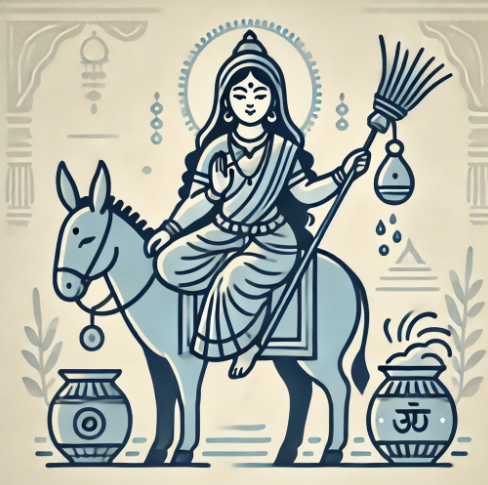
During Sheetala Saptami, devotees worship Goddess Sheetala and avoid cooking fresh meals. Instead, they consume food prepared the previous day, symbolizing respect for the goddess who prefers cold offerings. This ritual is seen as a way to seek protection from heat-related illnesses and seasonal infections. Devotees offer various dishes, particularly cold foods, to Goddess Sheetala and perform pooja at temples dedicated to her. The festival is also a time for families to gather, pray, and strengthen communal bonds with the hope of a disease-free year.
festival
Sheetala Saptami 2026
religion
Hinduism
Date
10-03-2026
day
Tuesday
Muhurat time
--
Duration
--
 Festival Date
10 Mar, 2026
Sheetala Saptami
 Today Date
01 Feb, 2026
Sheetala Saptami
Time Remaining
Why we Celebrate Sheetala Saptami ?
Sheetala Saptami is observed to honor Goddess Sheetala, who is believed to protect devotees from contagious diseases, especially smallpox and other illnesses. The festival falls on the seventh day (Saptami) of the Krishna Paksha (waning phase of the moon) in the Hindu month of Chaitra, aligning with early spring, when seasonal changes may bring health risks. Observing this festival is believed to invoke the goddess’s blessings for good health and protection against diseases.
Important Days
Meditation and Mantras
Sheetala Saptami 2026: Key Dates, Traditions & Celebrations
Sheetala Saptami is a revered festival in many parts of India, especially in North Indian and eastern regions. It honors Sheetala Mata, the goddess believed to protect households from fever, illnesses, and epidemics. The seventh day of the bright half (Shukla Paksha) of Chaitra, the Hindu lunar month that heralds spring, is when devotees come together to seek healing, cleanliness, and spiritual strength. In 2026, like every year, communities will gather to observe this auspicious day with prayers, rituals, and acts of service. This article provides a comprehensive guide to understanding Sheetala Saptami 2026, its significance, myths, astrological considerations, rituals, and modern practices. It is designed as a detailed festival details page for readers who want both tradition and contemporary relevance.
Understanding the Significance of festival Sheetala Saptami 2026
Sheetala Saptami is more than a ritual calendar date. It embodies a cultural memory about healing, caregiving, and communal resilience. The goddess Sheetala is associated with protecting families from diseases, especially fever and smallpox. The festival reinforces several key themes that remain important in modern life:
- Healing and protection: The central idea is to seek divine protection against illnesses. In communities that faced past epidemics, Sheetala Mata became a symbol of hope, cleansing, and recovery.
- Hygiene and discipline: Observances often emphasize cleanliness, order, and health-conscious behavior. Milestones linked to health spur people to take practical steps, such as cleaning living spaces and adopting healthier routines.
- Compassion and sharing: A common practice is to share offerings, especially with the sick and the needy. This strengthens social bonds and reflects the festival’s healing ethos through acts of seva (service).
- Fasting and self-purification: Many households undertake a light fast or observe specific dietary rules. Fasting is viewed as a means to calm the body and quiet the mind, creating space for contemplation and gratitude.
- Regional diversity within unity: While Sheetala Saptami is widely observed, regional variations exist. The core purpose remains consistent: honoring healing energy while celebrating community life.
For 2026, the festival’s rituals and spirit remain aligned with these core goals. Families and communities will once again blend devotional devotion with practical care—clean homes, healthy meals, and acts of charity—creating a tapestry that weaves ancient wisdom with contemporary living.
Sheetala Saptami 2026 2024 Date and Timing
Dates in Hindu festival observances are tied to the lunar calendar. Sheetala Saptami falls on the seventh day (Saptami) of the bright half (Shukla Paksha) of the Hindu lunar month of Chaitra. Because the Hindu calendar is lunisolar, the exact Gregorian date shifts year by year and region by region. The timing of rituals on Sheetala Saptami also depends on local sunrise and sunset times, as well as temple or household schedules.
Key points to know about the date and timing in 2026 and 2024:
- Date window: Sheetala Saptami typically occurs in March or early April, during the Chaitra season in the Indian calendar. In most northern and central regions, the date can vary within a few days depending on moon visibility and tithi calculations. In eastern regions, some communities observe the day a little later or earlier based on local panchang.
- Regional variations: Some states observe Sheetala Saptami as part of Holi‑season celebrations, while others treat it as a standalone healing festival in the early spring. The exact day may differ even within neighboring districts due to local traditions.
- Timing for rituals: In many households, the puja begins after sunrise and may extend into the afternoon or early evening. Some families perform an afternoon aarti, while others schedule the main ritual in the late afternoon. Prasad distribution often takes place after the aarti.
- 2026 and 2024 specifics: For 2026 and 2024, the dates fall within the same broader season, but the precise day differs by locality. To ensure accuracy, consult a reliable local panchang (Hindu calendar), temple announcements, or your family’s customary calendar. A recommended approach is to check the tithi (lunar day) for Shukla Paksha Saptami in Chaitra in your region and align your observance accordingly.
Practical guidance for readers planning celebrations across time zones or different Indian states:
- Mark the calm, auspicious times for your household calendar based on your local sunrise. This helps you perform the main puja when energy is most favorable in your area.
- Coordinate with neighbors or local temples to participate in collective prayers, especially if you want to share prasad or perform a community aarti.
- If you follow a family tradition, keep a written or digital note of the ritual timings and steps. This makes it easier to carry forward the observance in future years.
In summary, Sheetala Saptami date accuracy is best determined by your local panchang. The year 2026 and 2024 share the broader seasonal window, but the exact Gregorian dates will depend on the lunar calendar used in your region. Always verify with trusted local sources for precise timing.
Mythological Stories Behind Sheetala Saptami 2026
Mythology around Sheetala Mata has many regional variations, reflecting the diverse cultural landscape of India. The stories generally emphasize protection from fever and disease, healing power, and the mercy of the goddess who travels from village to village. Here are two representative narratives often shared in households and temples during Sheetala Saptami observances:
Story 1: The Protector Against Fever and Smallpox
In many folk traditions, Sheetala Mata is seen as a compassionate healer who appears during epidemics when communities are frightened and vulnerable. The tale speaks of a time when fever and smallpox ravaged villages. The goddess is said to manifest to shield households, relieve suffering, and restore vitality. As a result, families welcome Sheetala with reverence, decorative images, and offerings that symbolize healing and purification. The ritual acts—cleaning homes, performing aarti, and sharing a meal with the sick—are all expressions of gratitude for the goddess’s protection and a collective vow to protect one anothers health.
Story 2: The Healing Path and Everyday Virtues
A second common thread portrays Sheetala Mata as a guardian who teaches practical, everyday virtues. In this narrative, the goddess emphasizes cleanliness, discipline, and care for the vulnerable. She travels through villages carrying a broom and a pot of healing remedies. The broom is a symbol of sweeping away disease and negative energy, while the healing remedies represent care and compassion. Families observe the day to honor these values: they scrub floors, wash utensils, water plants, and prepare nourishing meals that support physical well-being. This story blends myth with moral guidance, encouraging communities to pursue cleanliness, kindness, and responsible health habits as an ongoing practice rather than a one-day ritual.
Regional retellings add texture and color to these myths. In some parts of India, the goddess is depicted alongside other regional deities and animals, creating unique iconography that reflects local art, language, and folk theater. Regardless of the version, the underlying message remains consistent: Sheetala Mata embodies healing, protection, and the care people owe to one another in times of need.
Vedic Astrology and Sheetala Saptami 2026
Astral influences are a traditional lens through which many communities interpret auspicious days. Vedic astrology looks at the interplay of tithi (lunar day), nakshatra (lunar mansion), planetary positions, and the overall forecast for the day. For Sheetala Saptami, astrologers typically consider the following factors:
- Tithi and lunar phase: The seventh day of Shukla Paksha is a focal point for healing-related observances. The tithi is believed to amplify intentions for health, purification, and compassionate action.
- Moon’s nakshatra: The Moon’s position in a nurturing or pacifying nakshatra (a star family) is often favored for healing rituals. When the Moon resides in a favorable nakshatra, devotees may experience a sense of calm, renewed energy, and clarity of purpose.
- Sun and planetary influences: The Sun’s transit and other planetary positions can color the day’s energy. Some astrologers advise simple, positive actions—like charitable acts, prayer, and mindful breathing—to align with the day’s auspicious potential.
- Auspicious timings (Muhurat): Specific muhurats (choicest times) for puja and offerings are noted by astrologers. People often select a morning or early afternoon window when the atmosphere feels serene and focused.
Practical takeaway for readers: even if you do not consult an astrologer, you can use the general guidance of starting the puja after local sunrise, choosing a calm moment, and performing acts of healing and service. The seasonal energy of early spring, when the earth awakens and communities renew their routines, naturally supports healing-oriented observances. If you enjoy deeper personalized insight, you may consult a trusted astrologer who can tailor guidance to your birthplace, date, and time.
Sheetala Saptami 2026 2024: Astrological Insights
In this section we offer a comparative, broad-sweep view of what astrologers often discuss when the festival is around the corner in 2026 and 2024. The focus is on health, renewal, and community welfare rather than precise planetary charts, because those depend on your exact birth data and location and on the local calendar used for the festival. The key themes you may encounter include:
- Health energy peak: The healing energy of Sheetala is said to be strongest when the Moon’s mood is gentle and the day is in a favorable phase for cleansing and renewal. This often coincides with calm weather and clear skies in many regions, aiding outdoor rituals.
- Spring renewal: The season of early spring is astrologically associated with growth, renewal, and clearing away the old. This aligns naturally with prayers for cleansing the body, home, and community.
- The festival emphasizes social duties (dharma) toward others. Astrological insights emphasize social harmony, compassion-driven actions, and charitable deeds on this day.
- Individuals with prominent placements in health-related houses (for example, 6th house for health and disease resistance in many astrology systems) may feel a heightened sense of responsibility to protect family members and neighbors.
While these are general themes, remember that astrology is highly personal. If you seek precise guidance for 2026 or 2024 based on your chart, consult a qualified astrologer who can factor in your birth details, location, and current planetary cycles. For many readers, the value lies in aligning daily actions with the themes of healing, service, and gratitude—practices that are timeless and universal.
Rituals and Practices of Sheetala Saptami 2026
Rituals on Sheetala Saptami can vary by region and family tradition, but several common elements create a cohesive observance. Here is a detailed guide to rituals you can consider for 2026, with practical steps you can adapt to your context.
1) Preparatory steps (a day or more before)
- Clean the living spaces thoroughly. Dust and clutter are believed to invite negativity and disease; a clean home mirrors the goddess’s energy.
- Set up a simple altar for Sheetala Mata. Use a clay or metal image or a printed image if you do not have a physical idol. Place it on a sturdy shelf or low table, draped with a clean cloth.
- Arrange symbolic offerings: fresh fruits (seasonal varieties), cooked rice or khichdi, jaggery, honey, milk, yogurt, and a small bowl of water. Neem leaves or tulsi (holy basil) can symbolize healing and purification; if these are available, include them.
- Light lamps and incense to invite a tranquil atmosphere. Fresh air and gentle light are believed to please the goddess.
2) The main puja and rituals on Sheetala Saptami
- Invocation: Begin with a simple invocation to Sheetala Mata, expressing gratitude for protection and healing. A short, heartfelt sankalpa (solemn resolve) can set a meaningful intention for health and compassion in the household.
- Altar adornment: Decorate the altar with flowers (marigold is common in many regions), colored grains or rangoli designs, and a small diya (oil lamp). If you want to keep the ritual eco-friendly, use clay diyas and natural colors for rangoli.
- Prasad preparation: Prepare a simple prasad such as khichdi, rice with lentils, or a light sweet like jaggery rice. The idea is nourishment that is easy to digest and share.
- Aarti and bhajan: Sing or listen to devotional songs dedicated to Sheetala Mata. Aarti with a lamp is a central moment of the ritual; you can perform it personally or with family members.
- Offering and distribution: Offer the prepared prasad to the goddess and then distribute portions to family, neighbors, or those in need. Charity and sharing are important themes of Sheetala Saptami.
- Cleaning and purification: After the main rituals, perform a cleansing sweep of the home again, cleansing not just space but also intentions—let go of fear or negativity associated with illness.
- Ritual bathing of the goddess: In some households, the clay image is gently bathed with clean water or milk as a symbolic act of purification. If you use an image, ensure you do not waste water and practice respectful disposal of the water.
3) Special practices for families and communities
- Health-focused acts: This day is an opportunity to promote health and hygiene in tangible ways. Organize a cleanliness drive in your neighborhood, distribute masks or hand sanitizers in a voluntary manner, or offer basic health information to neighbors, especially the elderly and vulnerable groups.
- Feeding the sick and needy: If possible, arrange a small community kitchen or share meals with neighbors who are unwell or elderly. This aligns with the healing ethos of the festival.
- Environmental mindfulness: Use eco-friendly materials for lamps and decorations. Avoid plastic and favor clay or brass lamps, natural colors, and reusable containers for prasad.
- Family dharma activity: Involve children in the rituals with simple tasks, such as decorating the altar, arranging flowers, or helping prepare prasad. This fosters a sense of responsibility and care from a young age.
These steps offer a practical, inclusive framework for observing Sheetala Saptami in a way that honors tradition while embracing contemporary life. Remember that the essence is healing, service, and community—so adapt the practices to fit your local context, beliefs, and health guidelines.
Health and Spiritual Benefits of Sheetala Saptami 2026 Rituals
Rituals around Sheetala Saptami provide a blend of physical, mental, and spiritual benefits. Here are some of the prominent advantages devotees often report, along with practical notes for a balanced approach:
- Physical health focus: The day’s emphasis on cleanliness, sanitation, and nourishing food supports general health. A clean home reduces allergens and promotes well-being. Sharing meals fosters social nutrition and reduces stress for those who may be ill or isolated.
- Immune resilience and mindfulness: The mindful activities—breathing during prayer, slow movements during ritual steps, and deliberate attention to food preparation—can reduce stress hormones and support a calmer nervous system. This calm state can help with immune function and overall resilience.
- Community and social support: The act of distributing prasad and helping neighbors builds social networks. Social connection and altruistic acts are linked to improved mental health and a sense of belonging.
- Hygiene as ritual practice: The ritual insistence on cleaning and purification reinforces healthy habits that persist beyond the festival. Consistent hygiene practices reduce illness and promote well-being in the long term.
- Spiritual grounding: For many, Sheetala Saptami is a season of reflection on vulnerability and care. The rituals offer a framework to cultivate gratitude, humility, and compassionate action, which can reduce anxiety and improve overall life satisfaction.
Practical note: While the festival carries symbolic and spiritual benefits, keep practical health guidelines in mind. If you or someone in your family has a fever or contagious illness, seek medical advice and follow public health recommendations. Use the festival as a time to reinforce healthy routines rather than a substitute for professional care.
Mantra Chanting During Sheetala Saptami 2026
Mantra chanting is a traditional practice to focus the mind, invite a sense of sacred protection, and set intentions for healing and compassion. On Sheetala Saptami, many households incorporate short invocations, either from established scriptures or family traditions. If you do not have a fixed mantra, you can use simple, respectful invocations that suit your beliefs and background. Here are guidelines, along with sample forms that you can adapt:
- Preparation for chanting: Cleanse the space, offer a small lamp, light incense if appropriate, and take a few slow, deep breaths to center yourself. Start with a heartfelt intention, such as “May this day bring healing, calm, and care to all.”
- Length and rhythm: Keep sessions short and sincere. Five to ten minutes of chanting or repetition is often enough to create a meaningful mood, especially for families with children.
- Chanting patterns: You can repeat a short invocation 3, 7, or 11 times, a traditional way to mark auspicious numbers in Hindu practice. Pair the chant with a quiet moment of gratitude or a brief prayer for those in need.
- Mantra examples (transliteration and general form): Note: Exact wording varies by tradition. Use the form that resonates with your family or teacher. You may also consult your local priest for a version that aligns with your lineage.
- Short invocation 1 (example form): Om Hreem Sheetalaya Namah. This form emphasizes the healing energy and protective aspect of Sheetala Mata.
- Short invocation 2 (example form): Om Shitalayai Namah. A concise prayer that greets the goddess with respect and gratitude.
- Short invocation 3 (example form): Om Hree Shree Sheetala Devi Namah. A longer form that emphasizes reverence and blessing for health and peace.
Tips for effective mantra practice on Sheetala Saptami:
- Use a calm, comfortable posture. Sit with a straight back to aid breathing.
- Pronounce clearly and slowly. If you are unsure of pronunciation, consult a local teacher, priest, or a trusted devotional book from your tradition.
- Pair chanting with a brief moment of reflection on healing and service. Let the words guide your intentions toward care for others.
- Make it inclusive. If some family members prefer silent contemplation, allow them to participate in reflection rather than chanting out loud.
The essence of mantra practice on Sheetala Saptami is to focus the mind, awaken a sense of healing, and strengthen social compassion. You can tailor the language to your tradition while keeping the intent clear: healing, protection, and service to others.
Sheetala Saptami 2026 in Modern Times
In today’s urban and digital world, Sheetala Saptami is celebrated with innovative and inclusive approaches. Communities are finding ways to preserve the festival’s spiritual core while adapting to contemporary lifestyles. Here are several ways Sheetala Saptami remains relevant in modern times:
- Urban puja spaces: In cities, many people set up compact altars at home or in apartment complexes. Temples host guided pujas, online live streams, and virtual aartis to reach a wider audience.
- Community kitchens and service: Local temples, NGOs, and voluntary groups organize communal meals for seniors, healthcare workers, and families facing illness. This reflects the festival’s emphasis on healing through shared nourishment.
- Eco-friendly rituals: There is a growing emphasis on sustainable materials—clay lamps, natural colors, and reusable decor. This aligns with broad environmental awareness and reduces waste during festivals.
- Digital learning and accessibility: Many temples and cultural organizations publish guides, videos, and live sessions about Sheetala Saptami. This helps people who cannot travel to a temple participate in the rituals from home.
- Health and wellness integration: Modern observances may include health awareness campaigns, vaccination drives, or hygiene workshops conducted in the spirit of the festival’s healing theme.
- Inclusive outreach: Communities often invite neighbors, friends from different backgrounds, and youth groups to participate in service-oriented activities, broadening the festival’s social impact.
These trends show how Sheetala Saptami remains meaningful by balancing tradition and modern life. The core message—healing, care for others, and community resilience—translates across generations and geographies. Whether observed in a quiet home setting or a bustling city temple, the festival continues to offer a moment of pause, reflection, and compassionate action.
Conclusion
Sheetala Saptami 2026 brings together devotion, healing, and community service in a single, heartening package. While the exact date will vary by region and lunar calculations, the essence remains constant: to seek protection from illness, to cleanse the home and heart, and to stand with those who are vulnerable. The myths associated with Sheetala Mata remind us that healing is both divine and human—an alliance between sacred energy and daily acts of care. The rituals—be they a household puja, an aarti, sharing prasad, or a simple act of helping a neighbor—offer practical ways to live the festival’s values year-round. In modern times, the celebration adapts through eco-friendly practices, community service, and digital connectivity, ensuring that Sheetala Saptami stays accessible and relevant to people from all walks of life. Whether you are reading from a busy city apartment or a quiet rural home, this festival invites you to renew your commitment to health, compassion, and service. May Sheetala Mata’s blessings bring protection, peace, and healing to you and your loved ones in 2026 and beyond.
Charity and Donations
Joy Stories Foundations
Joy Story Foundation is a section-8, non-profit organization founded in November 2019, registered with Ministry of Corporate Affairs, Government of India. It aspires to build stories around “Joy for Everyone” by practicing the values of collective philanthropy and by maintaining utmost transparency in order to achieve it. Our vision is to ensure that we do our bit to free the world of gloom, sorrow, deprivation, pessimism, and pain by inducing small positive moments to bring joy in the world. And we would go to any extent to achieve that, irrespective of geographical boundaries, religion, age, color or need. Our giving would be completely unbiased, non- religious and non-political.
 Donation Links
https://joystoryfoundation.org/Upcoming Festivals

Anvadhan Shukla Purnima FEB 2026
This festival focuses on renewing grain reserves after the harvest and making offerings to ensure fu… Read more

Thaipusam 2026
Thaipusam is a Hindu festival dedicated to Lord Murugan, the son of Lord Shiva and Goddess Parvati… Read more

Guru Ravidas Jayanti 2026
Guru Ravidas Jayanti is celebrated with great enthusiasm among his followers, particularly in the Ra… Read more
Shodashi Jayanti 2026
Shodashi Jayanti is an important day in the Shakta tradition, celebrated to honor Goddess Shodashi o… Read more


 Download App