


 Kalashtami


 Pooja Vidhi
 Benefits
 Mantras
 Rituals
Masik Kalashtami is a monthly vrata observed by many Hindu communities on the Krishna Paksha Ashtami. This article presents a comprehensive overview for December 2026, including its significance, traditional practices, astrological insights, and how people celebrate today. It also offers practical guidance for those who want to observe the vrata with mindfulness and devotion.
Understanding the Significance of festival Masik Kalashtami December 2026
Masik Kalashtami translates to the monthly ninth day of the waning phase of the moon observed with special worship. Across many regions of India, devotees mark this day with devotion to the divine feminine energy that governs time, change, and the cycles of life. The word “Kalashti” is linked to Kala, meaning time, and Shasti or Ashtami, the eighth or ninth day depending on the counting method, is honored through puja and fasting. The festival is not tied to one single myth; rather, it embodies a living tradition in which families, communities, and temples come together to acknowledge the rhythms of time and the power of spiritual discipline.
The significance of Masik Kalashtami rests on several pillars:
- The vrata encourages restraint, self-control, and focus. By dedicating a portion of the day to prayer, devotees cultivate inner calm and gratitude.
- Many practitioners invoke forms of Shakti—goddesses who symbolize protection, wisdom, and transformative energy. The vrata is a reminder of the divine feminine presence in daily life.
- Monthly observances create a rhythm that ties families to their cultural roots. Shared rituals, stories, and katha strengthen social bonds and intergenerational learning.
- Observing a vrata often involves dietary choices, charitable acts, and mindful speech. These practices can reduce stress, foster compassion, and improve daily discipline.
Regional variations matter. In some parts of the country, Kalashtami may be linked to temple processions, kirtan, or the recitation of specific scriptures. The essence remains the same: a conscious pause in the month’s pace to honor time, righteousness, and the power of devotion.
Masik Kalashtami December 2026 2024 Date and Timing
Dates for Masik Kalashtami are determined by the lunar calendar (paṇchaṅg) and can vary by location due to regional astronomical calculations and local temple traditions. The typical observance unfolds on Krishna Paksha Ashtami, the eighth day of the waning moon, within the lunar month that corresponds to December in the Gregorian calendar. Because panchang interpretations differ, many devotees consult their local temple, priest, or a reliable panchang one or two weeks in advance to confirm the exact day and auspicious timings (muhurat).
For December 2026, you should expect Masik Kalashtami to fall on a specific date in the Krishna Paksha of the month that aligns with December’s period in your local calendar. The following practical notes help you prepare:
- Consultation is essential: Verify the date with your community calendar, temple notices, or trusted online panchang sites that list Muhurat timings for your city or region.
- Timing windows vary: Observances often begin with a morning ritual and extend into the afternoon or evening. Common windows include early morning (pratah kala) or late afternoon (sandhya kala), but exact timings depend on sunrise, moonrise, and local customs.
- Fasting practices: Some observers undertake a strict vrat (partial or full fasting) until noon or after the puja. Others keep a light observance, focusing on devotion rather than dietary restrictions.
- Temple vs. home observance: In urban settings, temples may host group aartis and bhajans, while in many homes, families perform smaller, intimate pujas with family members and neighbors.
To make the most of the occasion in 2026, plan ahead: check your calendar, talk to your priest or temple, and prepare the puja items at least a day in advance. If you live abroad or in a region with a different lunar schedule, you may follow the closest eligible temple date, while maintaining the personal significance of the vrata.
Timing Details: Practical Guidelines for Observers
- Gather the puja setup early: kalash, idol or photo of the deity, flowers, incense, rice, vermilion, and prasad ingredients.
- Clean the worship space and wear clean, modest clothes as a sign of respect.
- Offer a simple ritual: purification of the space, flux of water to the Kalash, lighting of a diya, and recitation of selected mantras or stotras.
- Conclude with aarti and sharing of prasad among family and guests.
If you want exact date details for December 2026 now, your best resource is a local panchang or temple calendar. Because dates shift with the lunar cycle, publishing a single fixed date for every region would be misleading. The guidance above helps you align your observance with the authentic timing in your area.
Mythological Stories Behind Masik Kalashtami December 2026
The monthly Kalashtami vrata is rooted in reverence for time, cosmic order, and the divine feminine energy that sustains creation. While there isn’t a single universal myth that explains Masik Kalashtami across all traditions, several stories and symbolic narratives underpin its practice. Here are a few commonly shared themes you may encounter in temples, katha, and home discussions around the December observance:
- The Goddess of Time: One gentle interpretation sees Kalashtami as honoring the goddess who governs time itself. Time is a gift and a teacher. By observing a vrata, devotees acknowledge that time, when faced with devotion and discipline, can lead to spiritual growth rather than fear or anxiety.
- Another tradition emphasizes that the goddess’s energy is present in everyday cycles—births, seasons, and the turning of the year. The vrata invites believers to invite Shakti into their homes, to protect, purify, and inspire their actions.
- In many stories, forms of Durga or Kali appear on or around Kalashtami to destroy negative tendencies and to protect seekers on the path of righteousness. Temples may narrate stories where the goddess removes fear, grants courage, and blesses sustained effort in virtuous work.
- Different regions sponsor local myths about the goddess safeguarding households during the month’s transitions, or about a virtuous practice that saves a village from trouble. These tales reinforce community identity and moral values.
For practitioners, the value of these myths is not just the narrative itself but the guidance it offers: cultivate discipline, keep promises to the divine, honor time as a precious resource, and share blessings with others. If your tradition includes a specific Kalashtami vrat katha (story), you may include it as part of the evening narration or family discussion as a meaningful way to set intention for December 2026.
Regional Variations You Might Encounter
Some communities link Masik Kalashtami to temple legends or seasonal harvest rituals. In coastal regions, the vrata might be associated with sea winds and protection of fishermen families; in northern regions, it might align with agricultural calendars and temple processions. The unifying thread is the devotion to time, the feminine divine, and the discipline that supports spiritual growth throughout the month.
Vedic Astrology and Masik Kalashtami December 2026
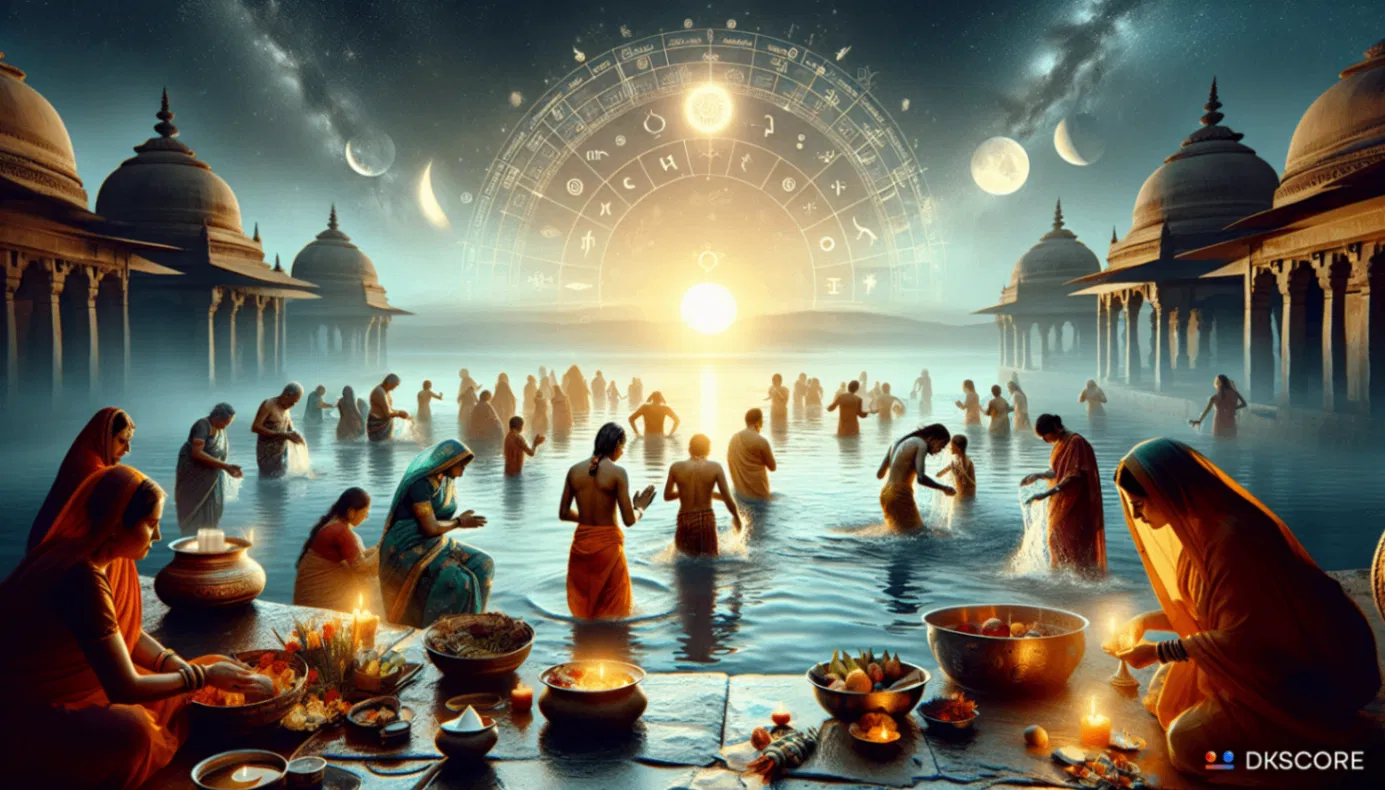
Vedic astrology (Jyotisha) offers a framework for understanding the cosmic influences that accompany Masik Kalashtami. While the vrata is primarily a devotional practice, many followers like to reflect on planetary positions, Nakshatras (lunar mansions), and tithis (lunar days) that coincide with the Ashtami during Krishna Paksha. Here are key astrological concepts often considered on this day:
- Moon and Tithi: The Moon’s phase in Krishna Paksha is central to the timing. An auspicious tithi and favorable lunar aspect are believed to support devotional focus, emotional balance, and receptivity to grace.
- Some practitioners check the Nakshatra of the day for special significance. A favorable Nakshatra can be associated with clearer communication, generosity, or spiritual receptivity.
- Planets commonly discussed in Jyotisha for a given month include the Sun, Moon, Mercury, Jupiter, Saturn, and Mars. Their signs and aspects influence energy levels, decision-making, and the capacity to maintain discipline during fasting or vrata observances.
- Yogas (combinations) and Karana (half-day units) can be consulted for auspicious timings. While these are often used for priestly duties, many devotees use them informally to choose times for vrata rituals and prayers.
Important caveats:
- Astrological guidance is a complementary framework. The core of Masik Kalashtami remains devotion, discipline, and compassion.
- Personal guidance from your local astrologer or priest can help tailor observances to your unique birth chart and current planetary transits.
- Astrology’s role is to enhance clarity and intention, not to determine fixed outcomes. Your sincerity and consistency matter most.
For December 2026, you may notice that some months emphasize different spiritual themes according to the current planetary weather. Use these insights as a way to deepen your engagement with the vrata rather than as a rigid forecast.
Masik Kalashtami December 2026 2024: Astrological Insights
Some readers may also seek a comparison with 2024 to understand longer cycles and recurring patterns. While each year has its own planetary dance, a few broad observations can guide aspirants who plan both December 2024 and December 2026 observances:
- When Saturn is strong in a chart, devotees often gravitate toward disciplined practice. Jupiter’s auspicious transits can invite expansion of gratitude and generosity. In both 2024 and 2026, those planetary moods influence how readily a family may commit to vrata routines or participate in charitable endeavors around Kalashtami.
- The Moon’s position remains central. On both years, the Ashtami falls on days with distinct lunar energies that can shape emotional resonance—helpful for meditative practice and compassionate action.
- Local calendars in 2024 and 2026 often reflect similar seasonal aesthetics—harvest cycles, festive markets, and temple programs that encourage community participation.
Astrological insights are most meaningful when they support intention: use them to choose a meaningful time for prayer, to cultivate patience, and to nurture family harmony. If you’re curious about how specific planetary positions might influence your personal observance, consider a brief consulta with an astrologer who can tailor guidance to your chart.
Rituals and Practices of Masik Kalashtami December 2026
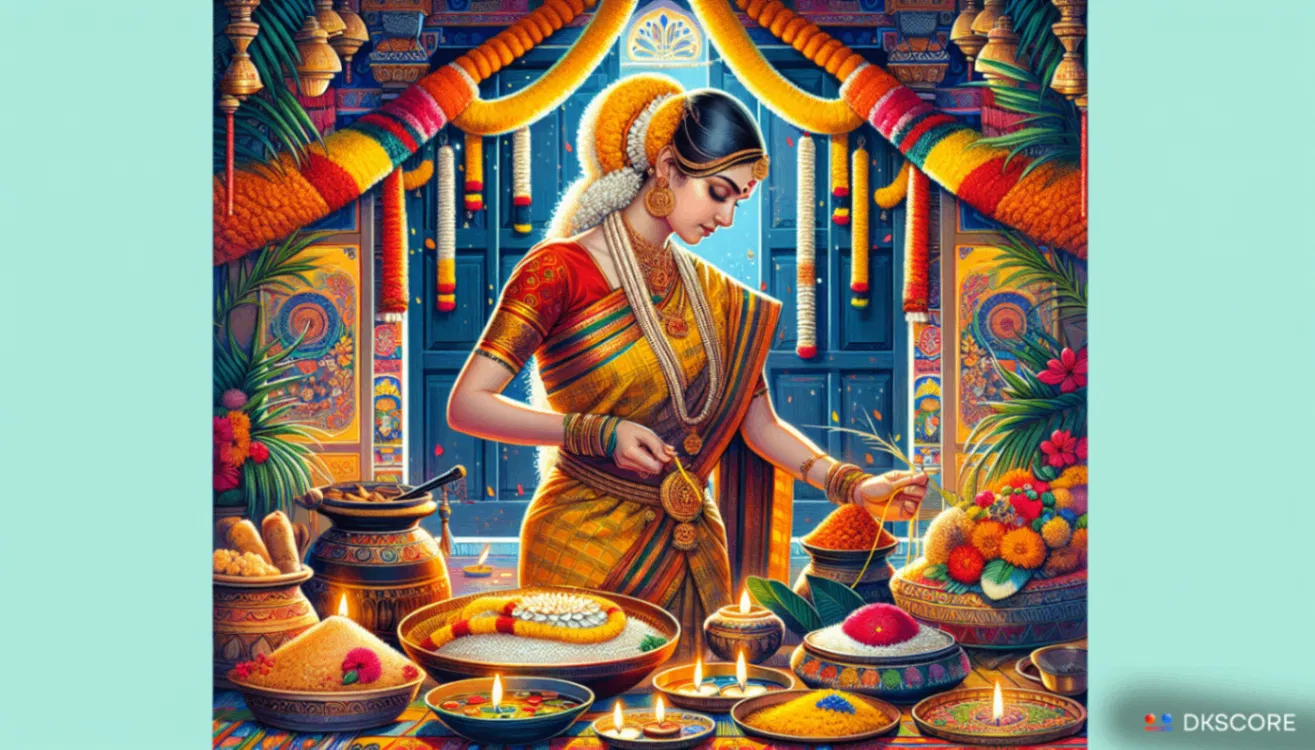
Rituals for Masik Kalashtami are designed to sanctify the home, mind, and senses. Below is a practical, traditional-to-modern guide you can adapt to your own family customs. The steps emphasize reverence, simplicity, and consistency across years.
Preparations and Cleanliness
- Clean the worship space, kitchen, and entry to invite positive energy.
- Dress modestly and maintain a composed, focused mindset before beginning the puja.
- Prepare puja items: a Kalash (water-filled pot), a small idol or photo of the goddess or Kalashtami deity, flowers (preferably fresh), raw rice, kumkum (vermilion), sandal paste, coconut, incense sticks, a lamp or diya, and prasad ingredients (fruits or sweets).
Central Puja and Kalash Puja
- Place the Kalash on a clean ground or wooden platform. Decorate with mango leaves if available and fill with water. A coconut placed on top is a traditional symbol of abundance.
- Offer a simple aarti with a lamp. Light the diya and incense while reciting or listening to devotional songs or mantras.
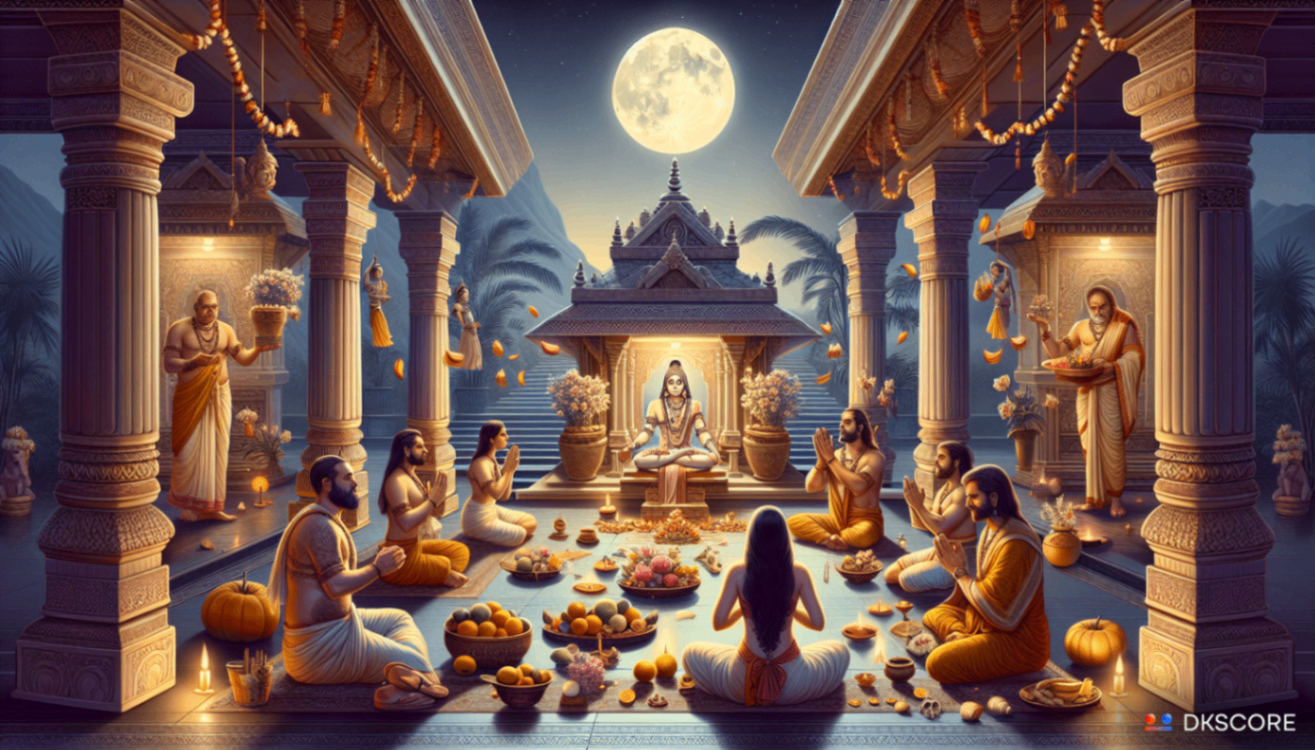
- Invoke the goddess by offering flowers, white grains or rice, kumkum, and a small prayer. If you have a photo or idol, place it near the Kalash and perform the main puja in front of it.
Prayers, Katha, and Recitations
- Include a few rounds of a chosen goddess mantra and the Gayatri Mantra to foster clarity and devotion.
- If you have access to a Kalashtami vrat katha or Durga/Durga-Saptashati stotra, reciting or listening to excerpts enhances the spiritual atmosphere.
- A short reading from a Shakti-focused text or a family’s chosen scripture can anchor the vrata in learning and reflection.
Naivedya and Prasad
- Offer fruits, sweet dishes, and a small portion of cooked grain as naivedya.
- Distribute prasad to family members and guests, reinforcing the idea of sharing blessings.
Fasting and Vrat Guidelines
- Many observers practice a partial fast (up to noon) or a full vrat for the day. If you have health concerns, consult a healthcare professional or adjust the fasting accordingly.
- Maintain hydration with water or light liquids if permitted by your tradition.
Community and Outreach
- Attend a temple program or join a live webcast or satsang if available.
- Engage in charitable activities or share meals with neighbors, especially the elderly or those in need.
- Document your vrata with a family note or a photo album to preserve the tradition for future generations.
Health and Spiritual Benefits of Masik Kalashtami December 2026 Rituals
Observing Masik Kalashtami—like many spiritual disciplines—offers both spiritual and psychological benefits. While it is not a substitute for medical care, many participants report positive outcomes when the vrata is practiced consistently and mindfully.
Spiritual Benefits
- Enhanced sense of purpose and daily rhythm through a structured practice.
- Greater compassion and patience, arising from fasting, reflection, and community service.
- Increased receptivity to spiritual experiences and a deeper sense of connection with the divine feminine energy.
Mental and Emotional Benefits
- Stress reduction through ritual, breathing, and focus during prayers and recitation.
- Improved emotional balance as the day’s discipline anchors mood and thought patterns.
- Strengthened memory and concentration from regular mantra chanting and storytelling sessions.
Physical and Social Benefits
- Hygienic and mindful cooking practices often accompany vrata days, benefiting family health and nutrition.
- Strengthened social ties when families and communities come together for puja and prasad sharing.
- Opportunities to model healthy rituals for children, promoting respect, gratitude, and service.
Mantra Chanting During Masik Kalashtami December 2026
Mantra chanting is a central complement to fire, water, flowers, and devotion. For Masik Kalashtami, devotees typically select a small set of mantras that align with the day’s intention—devotion, protection, purification, and abundance. Here are some widely used options you can incorporate into your practice:
- Durga Mantra: Om Dum Durgayei Namaha. This mantra invokes the protective energy of the goddess Durga and is commonly recited during Kalashtami observances to dispel fear and invite courage.
- Chamundi/Chandi Mantra: Om Aim Hreem Chamundaye Namaha. A powerful Shakti mantra often used to connect with fierce and transformative feminine energy, suitable for inner strength and clarity.
- Gayatri Mantra: Om Bhur Bhuva Svaha Tat Savitur Varenyam Bhargo Devasya Dhimahi Dhiyo Yo Nah Prachodayat. A universal prayer for wisdom and inspiration, appropriate for any sacred day.
- Prosperity and Harmony: Om Shreem Mahalakshmiyei Namaha. While more common during Lakshmi-focused rituals, this mantra can be included to invite abundance and harmony in the home during festive cycles.
Guidelines for Effective Chanting
- Say a chosen mantra with clear articulation and proper pronunciation. Focus on the meaning as you chant to deepen connection.
- Practice with a mala (rosary) of 11, 21, or 108 repetitions. Start small and gradually increase as comfort grows.
- Integrate chanting with breath awareness or a short meditation before and after the mantra recitation for greater focus.
- Reserve a quiet, clean space for mantra meditation, free from distractions.
Masik Kalashtami December 2026 in Modern Times
In today’s fast-paced world, observances of Masik Kalashtami blend tradition with convenience and accessibility. Here are contemporary trends that many families experience in December 2026 and beyond:
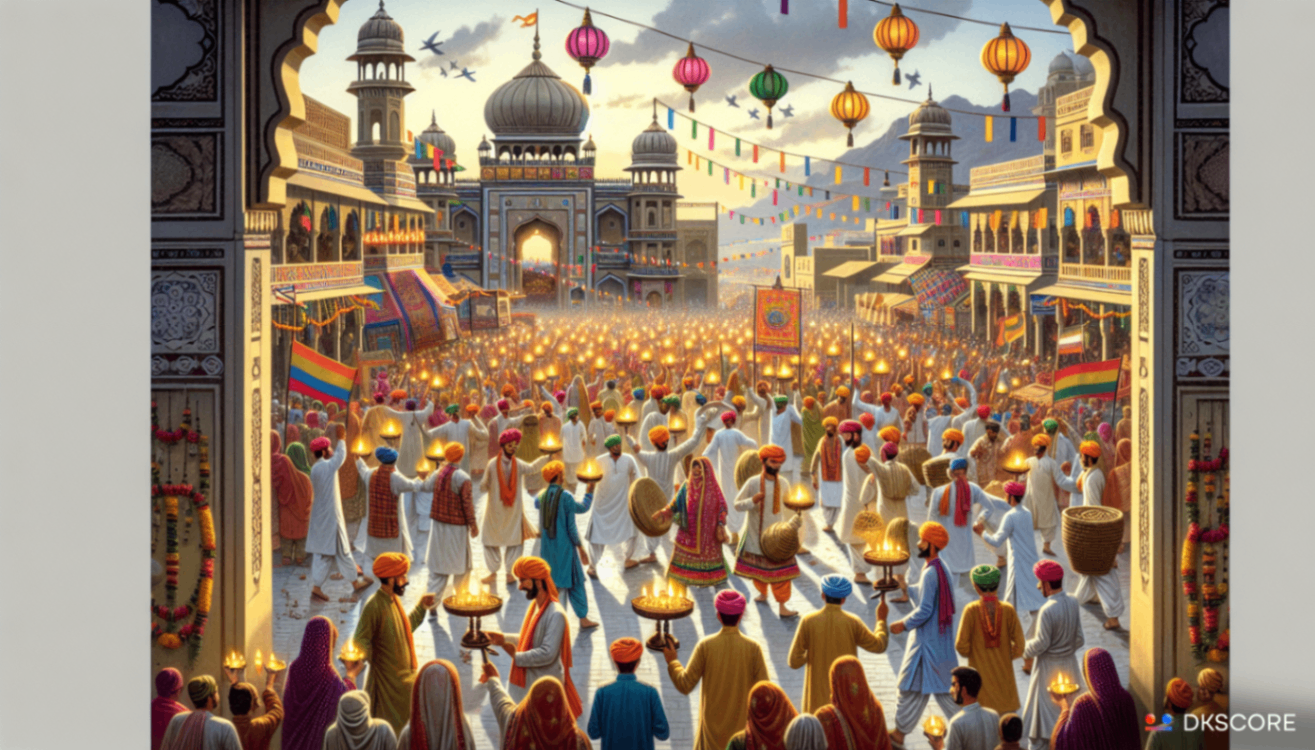
- Temples host special aartis, bhajans, and vrat katha sessions during Kalashtami. Online streaming, recorded kirtans, and mobile apps help people join from home or while traveling.
- Families tailor the ritual to fit their schedules. Simple pujas, shared meals, and practical fasting plans make the vrata accessible to working professionals, students, and caregivers.
- Many devotees combine Kalashtami with charity or volunteering drives, distributing food and essentials to neighbors and those in need.
- Schools and community centers may organize puja demonstrations, storytelling sessions, and art activities related to Masik Kalashtami to nurture cultural learning.
- Home altars emphasize sustainable materials, minimal waste prasad, and water conservation as mindful expressions of devotion.
For those who live far from temples, online satsangs, e-panchang alerts, and social media groups provide a sense of community and shared practice. The core experience remains simple: a moment to pause, reflect, and renew commitments to virtue, service, and inner balance.
Practical Tips for Modern Observers
- Set a calendar reminder a week ahead to prepare puja materials and invite family members to participate.
- Keep a modest fasting plan that suits your health and routine; even a few hours of abstaining from specific items can be meaningful.
- Join a local temple event or an online community to share experiences, stories, and recipes for prasad.
- Document the vrat with photos, a short journal entry, or a family video message to preserve the tradition for future generations.
Conclusion
Masik Kalashtami December 2026 invites devotees to pause amid the busy pace of daily life and rekindle a sense of time, devotion, and community. The vrata’s significance extends beyond fasting or ritual formality. It is a recurring reminder of discipline, compassionate action, and inner transformation. Whether you observe with a small home puja or participate in a temple ceremony, the essence remains the same: a sincere effort to align heart and mind with higher values, guided by the feminine divine energy that many traditions honor as a source of protection, wisdom, and abundance.
As you prepare for December 2026, consider how the rituals, stories, and teachings of Masik Kalashtami can support your personal growth and your connections with family, friends, and the broader community. The vrata is not only a ritual of the past; it is a living practice that adapts to modern life while keeping its sacred core intact. May your observance bring clarity, peace, and renewed compassion.


 Donation Links







 Download App