🎉 Get your first AI Vedic birth chart analysis free today only!


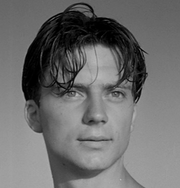
Who is Zeffirelli Franco?
Latest Updates
Update at: Mar 22, 2026Franco Zeffirelli (Gianfranco Zeffirelli) — Public Profile
Born: February 12, 1923 — Florence, Italy
Died: December 15, 2019 — Rome, Italy
Overview
Franco Zeffirelli was a renowned Italian director and designer whose work spanned cinema, theatre and opera. Known for sumptuous visual style andadventurous adaptations of classics, he left a lasting impact on how literature and opera are presented on screen and stage.
Career Highlights
- celebrated for films that bring Shakespearean and literary works to broad audiences, notably Romeo and Juliet (1968) and The Taming of the Shrew (1967)
- created influential television and film portrayals of opera, theatre and classical literature
- directed acclaimed adaptations and productions across cinema, television and major European stages
Selected Works (highlights)
- Romeo and Juliet (1968) — landmark adaptation known for its lush visuals and young leads
- The Taming of the Shrew (1967) — star-studded Shakespeare adaptation
- Jesus of Nazareth (1977) — widely broadcast television miniseries
- La traviata (1983) — film adaptation of Verdi’s opera
- Hamlet (1990) — ambitious screen version featuring a prominent cast
- Tea with Mussolini (1999) — drama set in WWII-era Italy
Awards, Honors and Legacy
Zeffirelli received numerous international honors for his contributions to film, theatre and opera. He is remembered for his opulent, painterly style and for expanding the accessibility of classic works to diverse audiences.
News, Public Profiles and Legacy
Since his passing in 2019, coverage has focused on obituaries, retrospectives and restorations of his works. There are no active personal social media accounts maintained by Zeffirelli. Public communications about his legacy typically come from cultural institutions, archives and film libraries that preserve his body of work.
Notes
He is widely known as Franco Zeffirelli, though his birth name was Gianfranco Zeffirelli. His career spanned many decades and left a lasting imprint on film, theatre and opera interpretation.
Which dasha periods did Zeffirelli Franco live through?
VIMSHOTTARIVimshottari dasha periods recorded for Zeffirelli Franco, in order.
What do Zeffirelli Franco's numerology numbers say?
Zeffirelli Franco's core numbers are Life Path 2, Destiny 6, Soul Urge 2, Personality 4, Kabbalah Number 3, Birth 3.
Chaldean Life Path 2 is lunar—sensitivity, cooperation, and diplomacy. It indicates success through partnership, patience, and emotional intelligence.
Chaldean Destiny 6 indicates service and harmony as your expression. It supports counseling, teaching, design, healing, and community responsibility.
Chaldean Soul 2 desires emotional safety, love, and peace. It seeks supportive bonds, trust, and harmony in relationships.
Chaldean Personality 4 appears practical, reliable, and disciplined. Others often see consistency, structure, and hard work.
Kabbalah Number 3 reflects an inner spiritual code of expression and creativity. It supports communication, inspiration, and joyful manifestation.
Unlock Birth Number 3 in Vedic astrology: explore personality traits, strengths, challenges, career potential, love compatibility, and life guidance via numerology.
Life Events & Planetary Transits
Key events mapped against the active Dasha and planetary transits at the time.





Frequently Asked Questions
Common questions about this profile's Vedic astrology, birth chart, and numerology — answered by our astrologers.
How does Franco Zeffirelli's Taurus ascendant influence the way he presents himself to the world?
Franco Zeffirelli's Taurus ascendant gave him a grounded, aesthetic presence that shaped his public image as a refined artist and visionary director. Taurus rising confers patience, a love of beauty, and a methodical approach to creative work—traits that defined his meticulous approach to opera and film direction throughout his career in the entertainment world.
Which numerological strengths emerge from Franco Zeffirelli's birth numbers?
Franco Zeffirelli's numerology reveals a strong connection to artistic and diplomatic energies through his birth configuration. His numbers reflect talents in collaboration, refined taste, and the ability to harmonize complex creative visions—strengths that manifested across his multifaceted career in opera design, directing, and filmmaking.
Where was Franco Zeffirelli born, and on what date?
Franco Zeffirelli was born on February 12, 1923, in Florence, Italy. His birth in Renaissance Florence, a city steeped in artistic heritage and cultural legacy, aligned perfectly with his lifelong dedication to the arts and his role as a master director who bridged opera and cinema.
What does Franco Zeffirelli's life path number reveal about his soul's purpose?
Franco Zeffirelli's life path number 2 indicates a soul oriented toward partnership, diplomacy, and mediation between artistic visions. This number reflects his natural gift for collaboration and his role as a bridge-builder in entertainment, bringing together opera, theater, and film in harmonious creative expression.
How would you describe Franco Zeffirelli's core personality and innate strengths based on his birth chart?
Franco Zeffirelli embodied Capricorn discipline with Sagittarius emotional depth and Taurus aesthetic sensibility. His chart reveals a multifaceted artist with strong organizational skills, philosophical insight, and an unwavering commitment to beauty and tradition—a personality that balanced visionary creativity with meticulous craftsmanship in every project.
Why did Franco Zeffirelli achieve such distinguished success as a director and artist, according to his astrological profile?
Franco Zeffirelli's chart reveals a rare blend of Capricorn's mastery and ambition, Sagittarius's artistic vision, and Taurus's refined aesthetic judgment. His ascendant in Taurus amplified his ability to create visually stunning works, while his planetary influences supported his transitions into opera design, directing, and film—making him a legendary figure whose work spanned multiple entertainment disciplines.